Why I Wrote The Impossible President

When I first wrote The Impossible President in 2002, I was not trying to predict the future, nor was I trying to write a lesson in politics. I was thinking about young women pressured into prostitution because of a lack of hope. I wrote The Impossible President to encourage them to believe they can be anything they set their minds to, to change their circumstances and strive for something better. I thought about the women I had met, the women I had admired, and the women whose stories rarely find their way into newspapers, history books, or public conversations.

The longer I live, the more convinced I become that some of the strongest people in the world are ordinary women whose names most of us will never know. They are the women who keep families together through difficult times. The women who postpone their own dreams to help others build theirs. The women who return to education later in life because circumstances prevented them from doing so earlier. The women who survive loss, disappointment and hardship and somehow find the strength to begin again. Their stories are our stories.

When I created Tinuke, I wanted to create a character who embodied that spirit. Her journey is dramatic. She survives political upheaval, imprisonment, betrayal and countless attempts to push her aside. Yet she refuses to surrender her belief in herself. Tinuke is not based on a single woman. She represents many women.
As I prepared this international edition, I found myself reflecting on women whose courage has shaped communities, countries and generations. Some are well known, while others are not.

We think of women such as Rosa Parks, whose courageous act of defiance became a turning point in the American civil rights movement. We think of Wangari Maathai, who transformed environmental activism in Africa. We think of Malala Yousafzai, who continued to speak out for girls’ education despite an attempt to silence her. We think of Funmilayo Ransome-Kuti, who challenged authority and fought for Nigerian women at a time when few expected women to have a public voice. But courage isn’t limited to famous names; millions of women support their families worldwide without receiving a plaque or recognition for their efforts. They just get on with it.

Recently, I was deeply moved by Yanuni, the documentary produced by Leonardo DiCaprio that follows Indigenous leader Juma Xipaia and her fight to protect her people and the Amazon rainforest despite threats, political opposition and personal risk. Her story takes place thousands of miles from Nigeria, yet the determination at its centre feels familiar. It is the determination of someone who refuses to be intimidated into silence.

That determination is everywhere. You find it among women across Africa, Europe, Asia, the Middle East, the Americas, and beyond. It is found among women who build businesses, teach children, care for families, lead communities, challenge injustice and create change in ways that are often overlooked.
This new edition is dedicated to my husband, John, whose encouragement inspired me to reconsider the women behind this story, those who make history and those who make life possible. The women who dared. The women who stayed. The women who never gave up.

Above all, this book is dedicated to women and girls everywhere. To the girl who wants to go to school. To the girl who dreams of becoming a doctor, teacher, writer, scientist, entrepreneur, or leader. To the woman rebuilding her life after violence or loss. To the woman determined to live free from fear. To the woman who has been told she cannot but chooses to try anyway.

The title is The Impossible President. But the book’s true message has never been about politics. It has always been about possibility. I hope that somewhere, a young reader will close this book and see her own future differently. I hope she will understand that other people’s expectations need not determine the course of her life.

And I hope she will remember that many of the achievements we now take for granted once seemed impossible.

To my friends and readers around the world, much love, always! 🙂
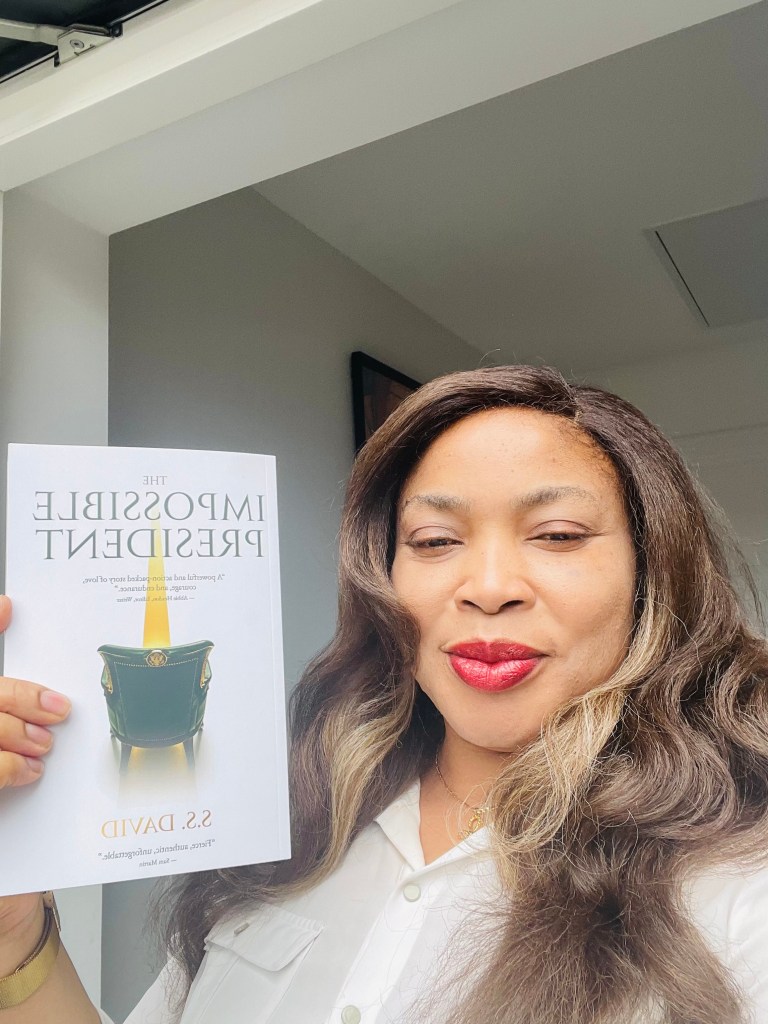
Four Days Until The Impossible President.

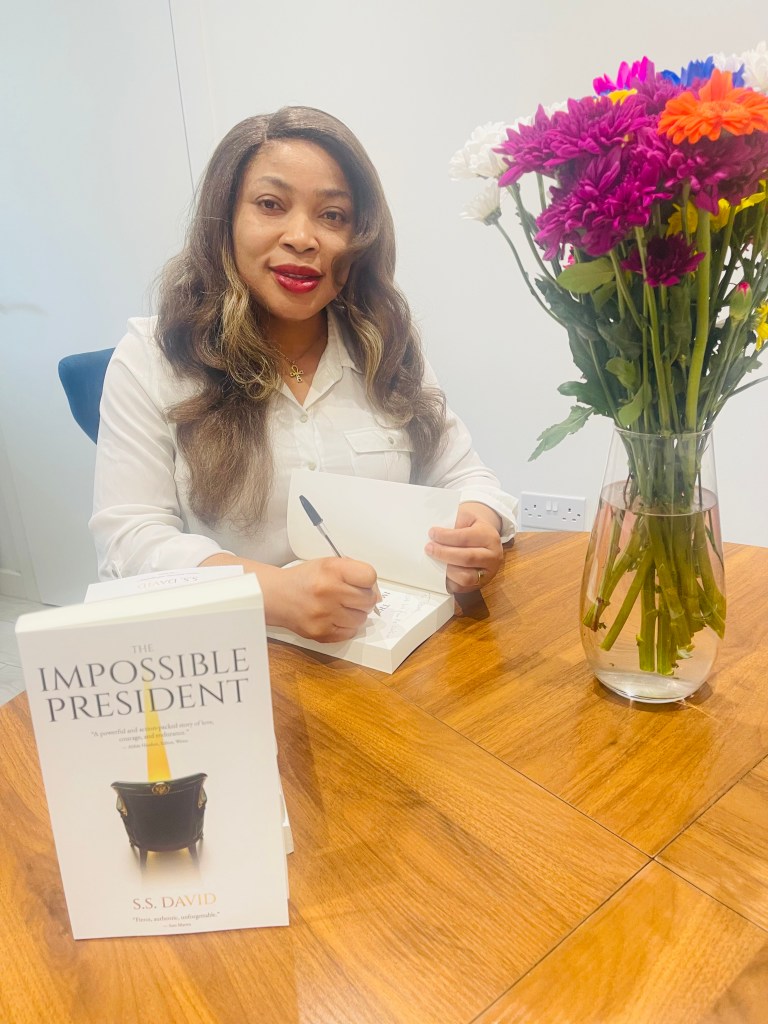
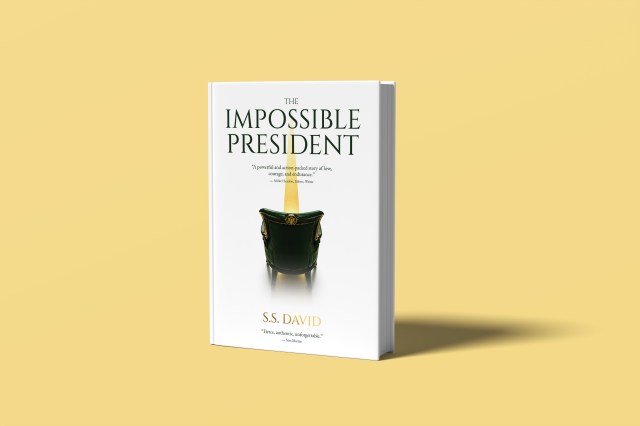
Posing with The Impossible President today. I took the picture myself, so the title looks the way it does! 🙂

I haven’t posted here for a while, partly because life has been unusually busy. Between work, publishing, and my PhD research, the months seem to have folded into one another and disappeared before I had noticed. Oct 14th was also my birthday, which made me reflective, as birthdays tend to do.

The older I get, the less interested I am in chasing time and the more I value using it well. None of us knows how much time we have left. What matters, I think, is what we choose to do with it; the questions we consider worth asking, the work we commit to, and the things we leave behind when the projects are finished, and the noise has gone, replaced by a poignant silence.

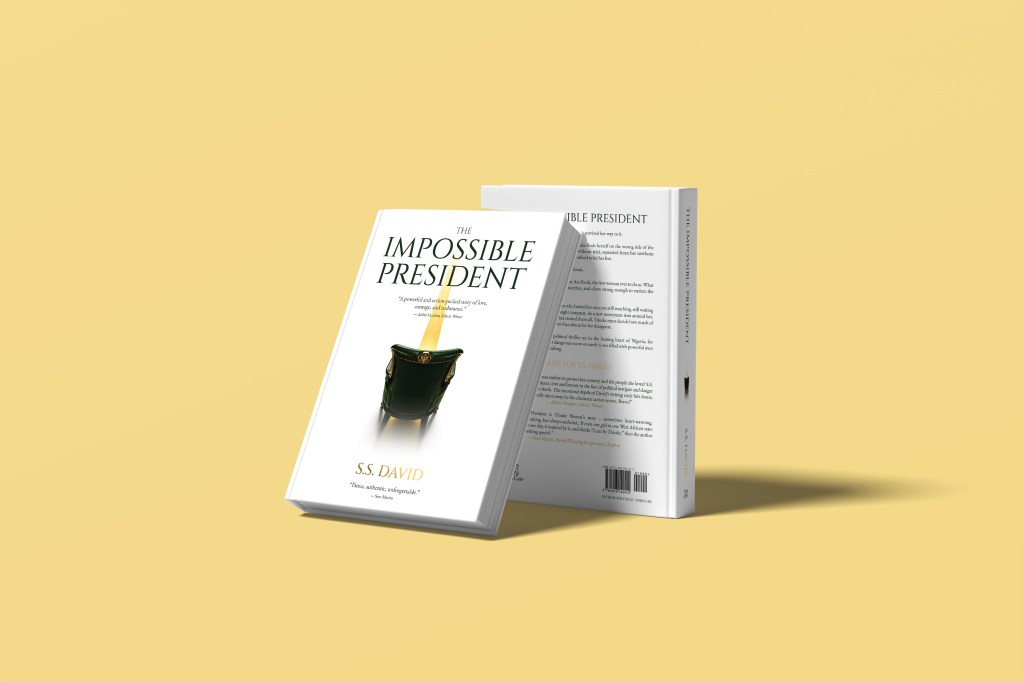
That thought feels especially relevant this week, as Arrow Gate Publishing will release a new edition of The Impossible President on Tuesday 20 October. The novel was first published in Nigeria in 2002 and republished in Abuja in 2004. More than two decades later, it is finally being published for readers in the United Kingdom and internationally.

Yes, I’m writing it twice now. The Impossible President comes out on Tuesday, 20 October. I’m excited, and a little emotional, if I’m honest. Twenty-four years ago, I wrote this book in Nigeria. Next week it will be published in the country where I now live, love, teach and conduct my research. As someone whose life has been shaped by both Nigeria and Britain, I find myself thinking about that journey more than I expected.

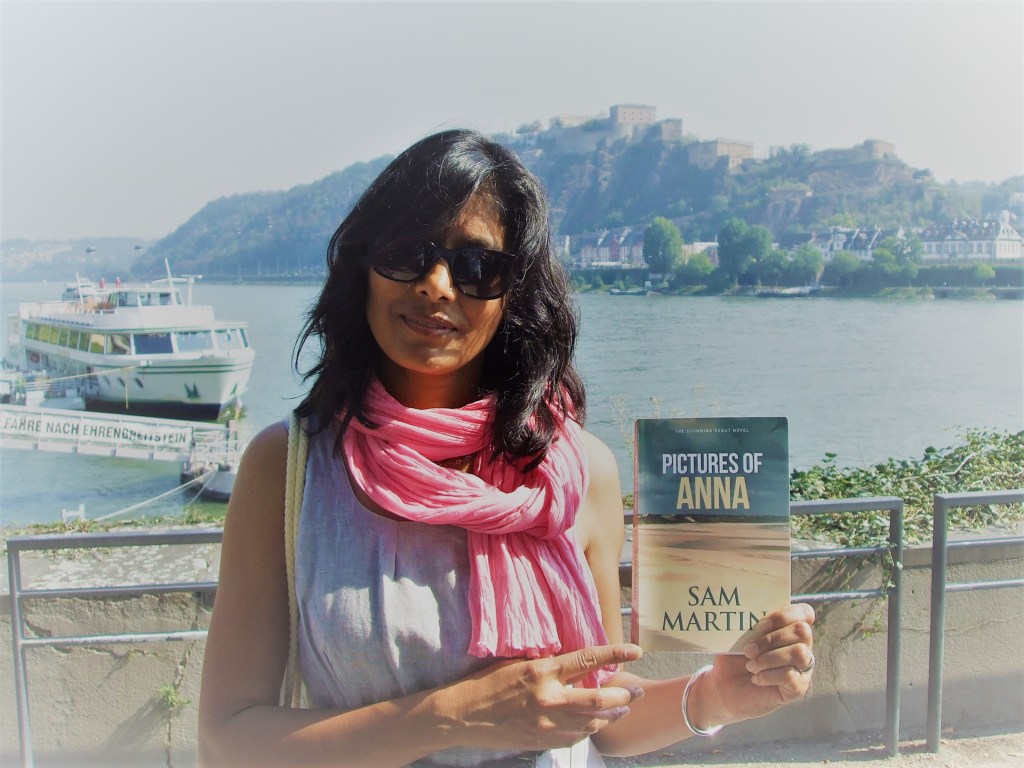
Signing the early readers’ review today. Already posted!

I have lived with this book for a long time. It has a story behind it, and it’s linked to my PhD research. Perhaps that is why seeing it take on a new life feels different from publishing something entirely new. A new book arrives with possibility. An older book returns, carrying its history. It reminds you where you were when you wrote it, what concerned you then, and which questions seemed important enough to spend years on.

The question at the centre of The Impossible President was simple – what would it take for a woman to become president of Nigeria? And I’m not talking about it in theory, or symbolically, or because a speechwriter thought it would make a good campaign slogan.

What would it actually take?

Nigeria celebrated sixty-six years of independence on 1 October. Over those sixty-six years, no woman has served as president or vice president. That fact stayed with me when I first wrote the novel and still does today. I once asked my mum why, and she gave a short laugh and said, “Men are always afraid of a strong woman.” What she said was debatable, but it may have some truth.

This brings me to this year’s Black History Month theme in the United Kingdom: Honouring Our Communities. I have repeatedly returned to the relationship between history and visibility. Communities are not built by famous people alone. They are sustained by countless others whose names seldom appear in public records. Teachers, campaigners, carers, organisers, checkout operators, and community leaders often leave behind profound legacies while receiving very little recognition beyond the circles directly affected by their work.

My doctoral research at London Metropolitan University focuses on women of the ancient Benin Kingdom. I have immersed myself in the stories of women whose economic and cultural influence was significant, and whose presence in historical records is often fragmented or incomplete. The evidence is there, but their stories are frequently overshadowed by the men who occupy centre stage. Research changes how you see things; perspectives are fluid and constantly evolving, and I now see things differently. Once you begin noticing who has been omitted from historical narratives, you begin to notice absences elsewhere too.

Many years ago, I became increasingly aware of accounts of young women from Edo State (Nigeria) being trafficked through routes that led to Italy. At the same time, Chief Mrs Amina Titi Atiku Abubakar and her organisation, WOTCLEF, helped force the issue into Nigeria’s national consciousness. Their work helped create NAPTIP in 2003, giving Nigeria a federal agency dedicated to combating human trafficking. I dedicated The Impossible President to her because I believed then, and still believe now, that some of the most important changes in society happen because individuals decide that something unacceptable can no longer be ignored.

Tinuke, the novel’s protagonist, is not a real person, but she did not emerge from nowhere. She was shaped by the many women whose stories I encountered, by women whose achievements have been documented and by women whose contributions survive only in memory. Like all fictional characters, she is an invention. Unlike many fictional characters, however, she was built from realities that already existed.

What continues to interest me is that the question posed by the novel is not uniquely Nigerian. According to figures published by UN Women and the Inter-Parliamentary Union, only 28 countries in the world are currently led by a woman head of state or government, while more than one hundred have never had one. In Africa, only two countries currently have a woman president. Nigeria is not unusual in waiting for that milestone. It is simply one of many nations still waiting. The United States has never had a woman president either.

For that reason, the novel feels no less relevant now than it did when it first appeared.

Readers approaching The Impossible President as a thriller will find political manoeuvring, betrayals, corruption, violence, ambition and people willing to sacrifice almost anything to retain power. Those elements are certainly there. What interested me most as a writer, however, was the question underneath the plot: who is considered fit to lead, who gets shut out, and what happens when someone refuses to accept those limitations?

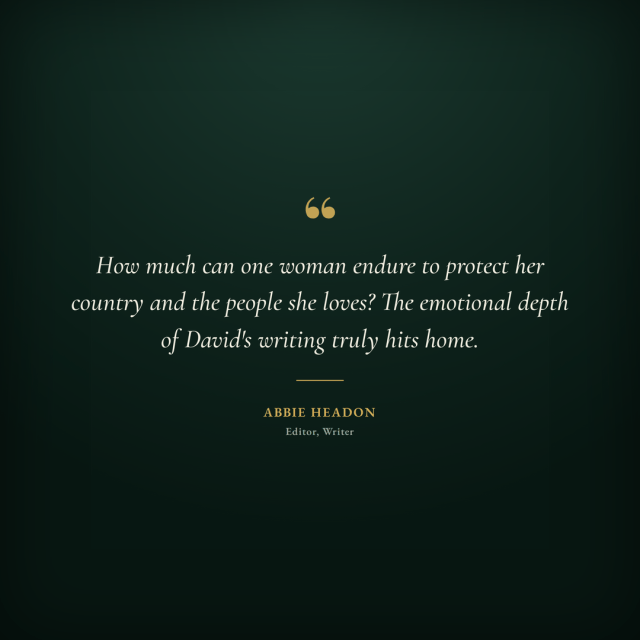
Sam Martin described the novel as “fierce, authentic, unforgettable”. Abbie Headon called it “a powerful and action-packed story of love, courage, and endurance”. I am grateful to both of them for reading the book so generously.

I am equally grateful to all of you who have continued to read this blog over the years. Some of you have been here since the early days; I started blogging in 2012, and I have made thousands of friends all around the world. While others arrived more recently. Either way, thank you for staying with me. I’ll visit and read more of your articles whenever I can.

The Impossible President is published on Tuesday, 20 October, by Arrow Gate Publishing. If the questions raised here interest you, I hope you will read it and tell me what you think. If you’re interested in a PDF, a proof copy, or the paperback, please let me know. If you do read it, please leave a review when you can.

You can preorder here: Arrow Gate Stores, Amazon UK, Waterstones, Bookshop.org and wherever books are sold.

Stay safe wherever you are in the world, and much love, always! 🙂

The Rewrite

There’s a profound difference between the stories we write and the stories we live. As a writer, I’ve shelved countless manuscripts—unfinished works waiting for my return, my revisions, my second chances. The pages sit patiently, knowing I might someday breathe new life into their dormant potential.

Life offers no such luxury. We write our story in permanent ink, each moment committed irrevocably to the record. There are no drafts to revisit and no passages to rewrite. The narrative unfolds in real time, with no chance to polish our regrets into something more beautiful in retrospect.

Eleven years ago, my dear friend Ken reviewed my book “Cydonia: Rise of the Fallen.” I read through his review just a few minutes ago and felt that familiar writer’s urge to revise and improve. How fortunate that my written work allows for second editions! Yet this moment illuminated a stark contrast—while my book may see multiple iterations, my life will see just one.

Why, then, do we waste our precious days scrolling aimlessly, ensnared in digital echoes that contribute nothing to the significance of our story? Why spend hours on transient distractions when we could be creating memorable experiences?

For those who believe, as I do, in life after death, there comes a reckoning—not an editing session. Our completed manuscript will be read, not revised. This is not meant to inspire fear but urgency—an invitation to live deliberately, to make each word and day count.

Let us write lives worth reading—stories of impact, kindness, and purpose. Let us make our corners of the world better places, knowing we won’t get the chance to rewrite what we’ve lived, only to live what we’ll be proud to have written.

As always, I’m inundated with work, but I will endeavour to update my website as much as I can. Thank you for reading, my friends, wherever you are.

Much love, always. 🙂

A Name in History

Today, I want to share something truly special with you all. Have you ever come across a book that not only transports you to another time and place but also leaves you utterly spellbound? Prepare to add a new favourite to your collection: “A Name in History” by Hillery Baptiste.

This captivating historical fiction is like no other. Set in the heart of London, it follows the journey of Ella, whose life takes an unexpected turn when she discovers a seemingly ordinary shell fragment hidden among her late uncle’s belongings. Little does she know, this discovery will lead her on a whirlwind adventure, unravelling family secrets and uncovering a history deeply intertwined with the scars of slavery.

What makes “A Name in History” truly special is its ability to weave together the past and present, taking readers on a poignant journey of self-discovery and resilience. Through Ella’s eyes, we are transported from the vibrant streets of London to the sun-drenched shores of the Caribbean as she delves deep into her family’s history, challenging everything she thought she knew about herself.

But this isn’t just any historical fiction novel; it’s a powerful reminder of the importance of understanding our past. History isn’t just about dates and events; it’s about people, their stories, and the legacies they leave behind. “A Name in History” beautifully captures this essence, reminding us of the indomitable spirit of those who came before us and the strength we inherited from our ancestors.

So, this spring, if you’re looking for a book that will transport you to another time and leave you pondering long after turning the last page, look no further than “A Name in History” by Hillery Baptiste. Trust me; you won’t want to miss out on this incredible journey.

Let me quickly add that I know Hillery personally, and I am so blessed to have edited this novel. You can find “A Name in History” at your local bookstore, online retailers or at Arrow Gate Bookstore here. Let’s learn from history and not repeat the mistakes of the past!

Happy spring reading and much love, always! 📚✨

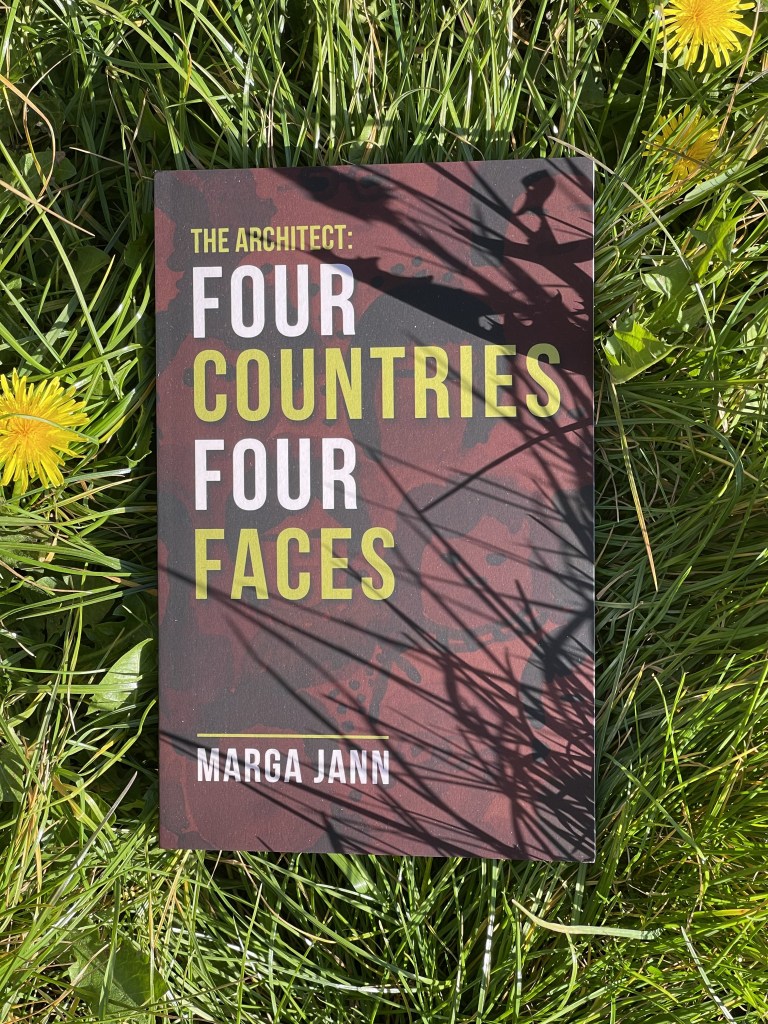
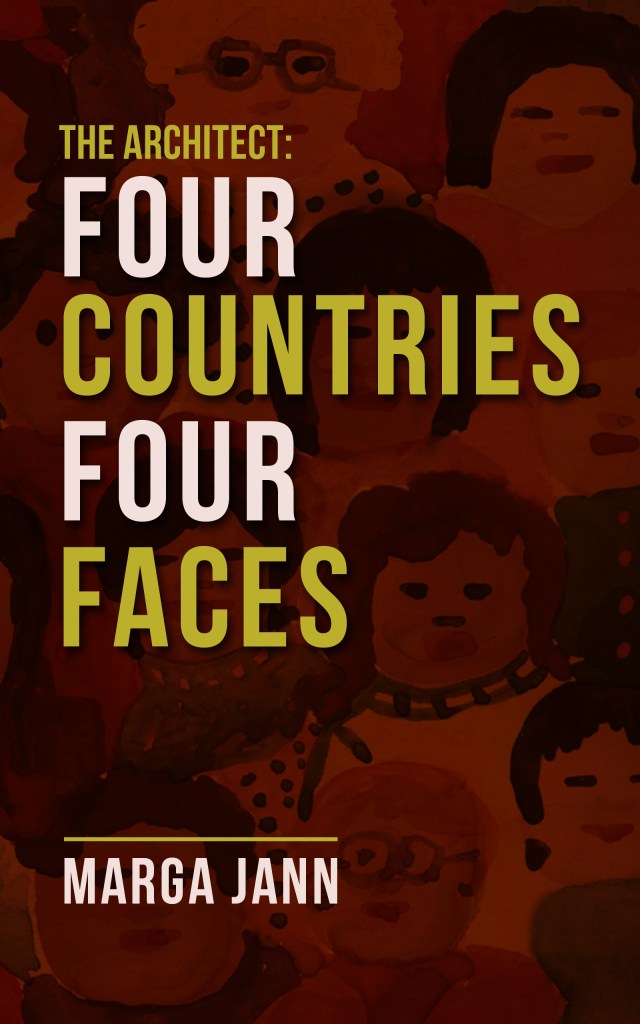
Examining Marga Jann’s “The Architect: Four Countries Four Faces” and its Exploration of Prayer and Spiritual Warfare. 

In the gripping semi-autobiographical novel, “The Architect: Four Countries Four Faces,” Marga Jann, a talented architect and professor, takes readers on an extraordinary journey that combines the realms of international intrigue, intense spiritual warfare, and the power of prayer. Jann’s unique blend of personal experiences, contemporary socio-cultural insights, and geopolitical dynamics create a thought-provoking narrative that unveils the hidden battles that surround us, both in the physical and spiritual realms.

A Multifaceted Perspective:

As an accomplished author, artist, parent, and professor, Marga Jann brings a wealth of knowledge and a diverse set of skills to her semi-autobiographical novel. Drawing from her expertise as a licensed architect and chair of Architectural Engineering at The American University of Kurdistan, Jann paints a vivid picture of the academic world and seamlessly weaves it into a dangerous and diplomatically-sensitive battle between intelligence operatives from MI6, CIA, and Saudi Intelligence.

The Power of Prayer:

One of the central themes of “The Architect: Four Countries Four Faces” is the transformative power of prayer. Jann skilfully illustrates how prayer becomes a powerful tool in the protagonist’s journey to expose and conquer the workings of darkness. Through her personal experiences, Marga Jann emphasises the importance of spiritual awareness and the ability to discern the interconnected real and spiritual wars that surround us, even in seemingly random everyday battles.

Geopolitical Insights:

Beyond the enthralling narrative, Marga Jann delivers important contemporary socio-cultural and geopolitical insights that are often overlooked by mainstream media. Jann’s experiences as a Visiting Research Fellow at the University of Cambridge lend authenticity to the geopolitical dynamics portrayed in the novel. By intertwining the intricate threads of international intrigue, she provides readers with a deeper understanding of the complex forces at play in our interconnected world.

Unconventional Storytelling:

“The Architect: Four Countries Four Faces” stands out for its unconventional storytelling style. Jann’s approach, which combines a quartet of academic assignments with intense spiritual warfare, creates a seat-gripping and thought-provoking reading experience. This blending of elements from academia, espionage, and the spiritual realm challenges readers to explore the interconnectedness of seemingly disparate aspects of life.

Marga Jann’s “The Architect: Four Countries Four Faces” is a captivating and thought-provoking novel that skilfully combines personal experiences, academic insights, and spiritual warfare. Through her multifaceted perspective as an architect, professor, and parent, Jann explores the transformative power of prayer and sheds light on the hidden battles that surround us. This engrossing semi-autobiographical narrative not only captivates readers with its intrigue but also encourages them to reflect on the broader socio-cultural and geopolitical dimensions of our world. “The Architect: Four Countries Four Faces” is a must-read for those seeking a unique blend of entertainment, spiritual enlightenment, and geopolitical awareness.

I had a wonderful time editing and working on this incredible book, which boasts a concise 190 pages, making it a perfect quick read that can easily fit snugly into your luggage if you’re heading on a holiday.

“The Architect” is available worldwide, wherever books are sold.

Much love, always! 🙂

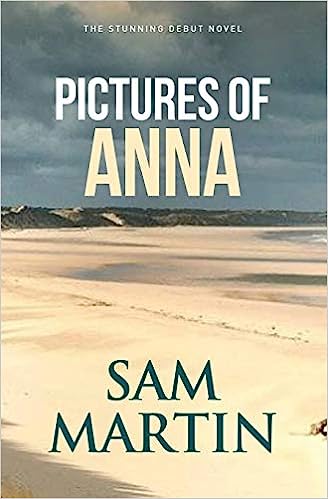
Uncover the Gripping Tale of Love, Trust, and Sacrifice in “Pictures of Anna”

In the midst of the cruel and tumultuous era of war, there are stories that transcend the boundaries of time and place, touching the depths of human emotions. “Pictures of Anna” is one such captivating tale that weaves together themes of love, trust, and sacrifice against the backdrop of the horrors of war.

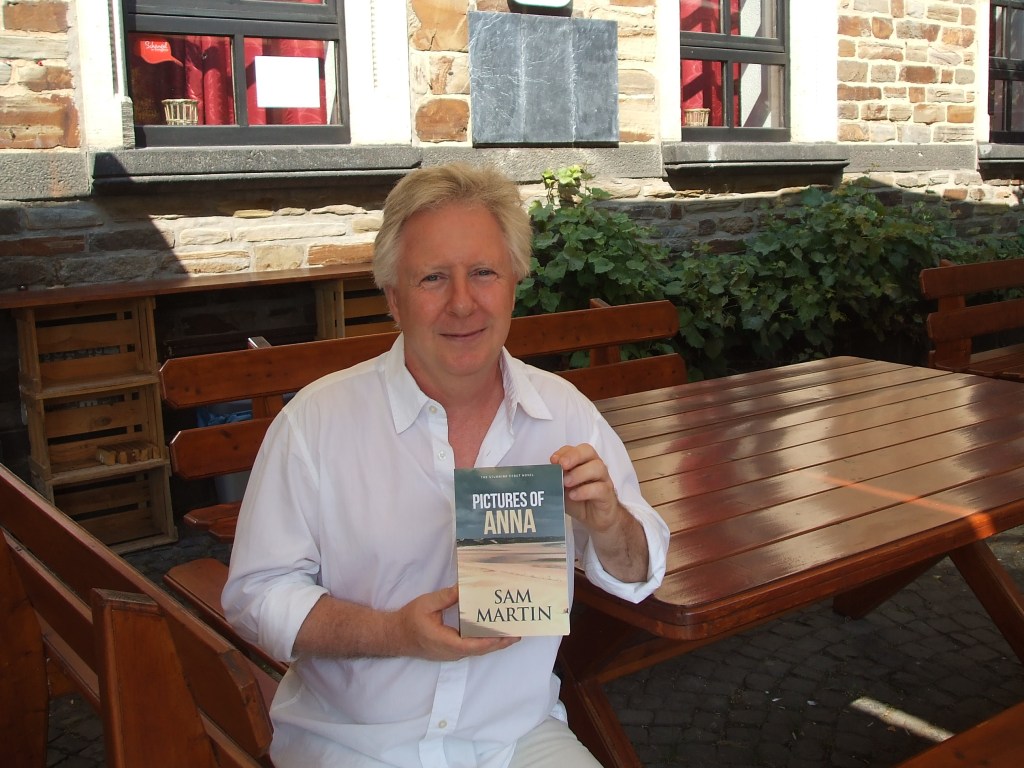
This captivating tale will transport you to a bygone era of war and unveil the profound human emotions that transcend time and place. “Pictures of Anna,” written by Sam Martin, an award-winning British author living in Germany, is a spellbinding tale that cleverly blends the themes of love, trust, and sacrifice with the brutal backdrop of war.

Sam Martin, author, Pictures of Anna

In a quaint old Norman church, under the golden rays of the late morning sun, a young bride named Anna anxiously awaits her groom. Her journey is one of escape, a desperate flight from the horrors of her past as a German of Roma origin during the dark days of 1930s Germany. London becomes her sanctuary, promising a new life free from the terrors that haunted her.

Sam Martin unfolds a powerful narrative, revealing a tapestry of emotions that resonate with readers. Through his gritty prose, Martin paints a sensitive portrait of Anna’s life, entwined with hope and heartbreak, love and hate, anger and confusion. The story becomes a poignant exploration of blind prejudice, intolerance, and redemption.

Martin skilfully brings to life the claustrophobic and tense atmosphere of the home front. He delves into the prevailing opinions of the time and illuminates the seismic decisions made by those in positions of power. In doing so, he creates a well-rounded view of the era, shedding light on the struggles and sacrifices of everyday people caught in the turmoil of war.

Anna’s journey resonates deeply with (me) readers, reminding us of the indomitable human spirit. Her story serves as a stark reminder that the effects of war extend far beyond the battlefields, impacting lives in profound ways. It challenges us to confront our prejudices as we witness the consequences of blind hatred and the power of love to overcome adversity. The fate of Anna is an unfortunate reflection of many lives still facing prejudice while searching for safety from war.

As you delve into the pages of this remarkable novel, you will be transported to a world where the past collides with the present, where Anna’s story becomes a universal tale of triumph over adversity. Through its pages, we are invited to witness history through the eyes of those who lived it and to cherish the freedoms we enjoy today.

I enjoyed reading and editing this story of hope, heartbreak, and redemption. The lady who inspired the author, Sam Martin, is still alive, and through her story, we gain a deeper understanding of the resilience of the human spirit and the power of hope to guide us through the darkest times.

Pictures of Anna is available wherever books are sold, and can also be purchased directly from the publisher here: https://arrowgatepublishing.com/store/

Dreams and Realities

Unveiling the Mysterious Tale of Hugo Swann: Dreams That Haunt and Reality That Terrifies.

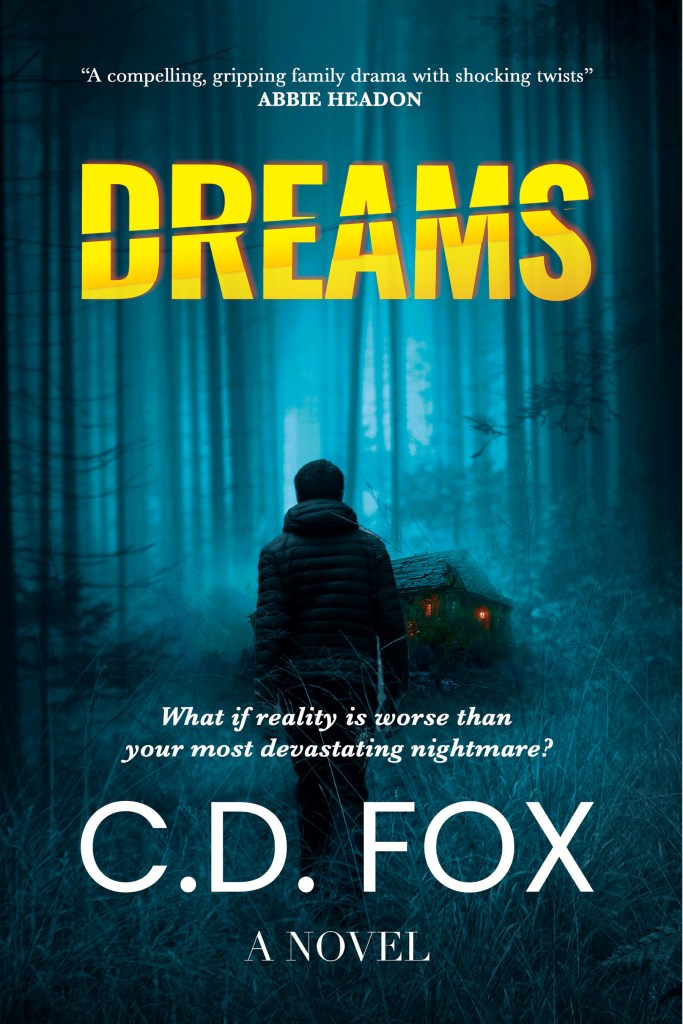
In this gripping mystery written by C.D. Fox, the author presents a haunting tale of suspense set against the backdrop of Oxford University. This gripping thriller plunges readers into the unsettling journey of Hugo Swann, the son of a renowned psychiatrist, a shy and introverted student struggling to find his place in an unfamiliar environment.  Hugo’s life takes an unexpected turn when he finds love and delves into uncharted territories, only to be besieged by a relentless string of unsettling dreams that threaten his sanity.

Hugo grapples with his own inner demons while seeking solace in the arms of a new girlfriend, Alice and embracing new experiences. However, as his dreams intensify, Hugo’s path intersects with a mysterious woman, haunted by a troubled past, who seeks psychiatric treatment from his own father. 

Little does Hugo know that this encounter will plunge him deeper into a nightmarish abyss. As the veil between dreams and reality becomes increasingly blurred, Hugo finds himself in desperate need of psychiatric assessment, unable to distinguish between the sinister occurrences plaguing his sleep and the waking world. In a race against time, Alice embarks on a heart-pounding quest to uncover the truth. But as she unravels the mysteries surrounding Hugo’s plight, she discovers a shocking truth. Will Hugo be willing to confront the terrifying reality that awaits him?

“Dreams” is a masterful blend of mystery, thriller, and suspense that will captivate readers from the first page to the last. C.D. Fox weaves a spellbinding narrative, delving deep into the darkest recesses of the human mind, leaving readers spellbound and questioning the limits of perception.

Prepare yourself for a mind-bending exploration of the human psyche, where dreams become nightmarish traps, and reality holds unimaginable horrors. With every twist and turn, the tension mounts, and the race to unveil the truth becomes an urgent and relentless pursuit.

I enjoyed editing this novel and readers are indeed in for a ride. The novel is available wherever books are sold.