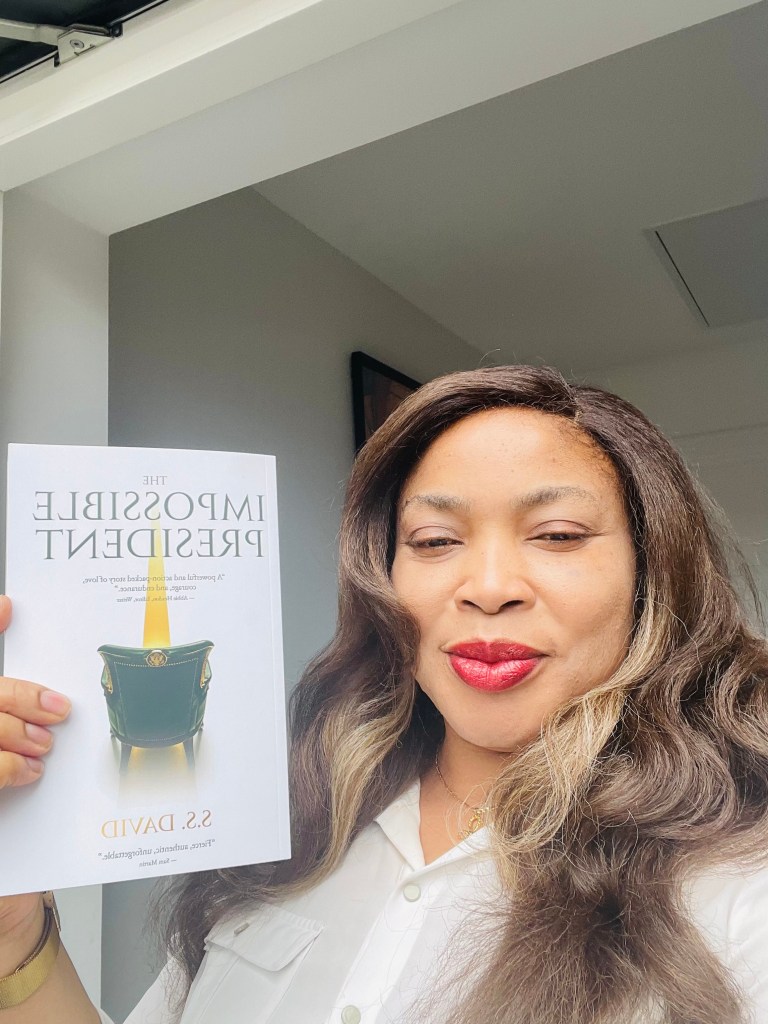
Four Days Until The Impossible President.

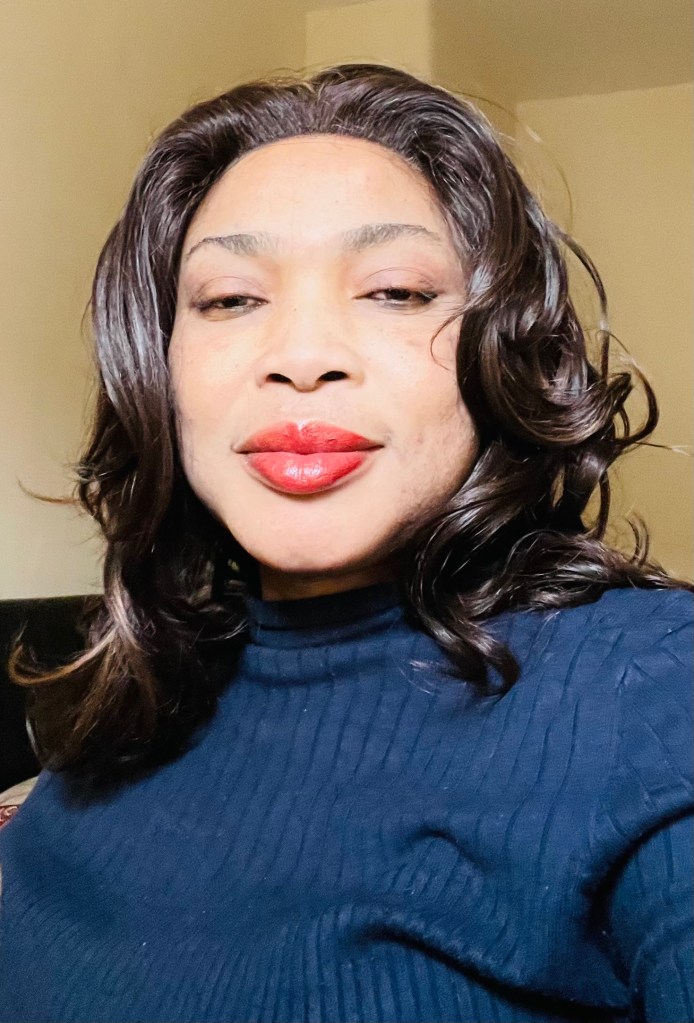
Posing with The Impossible President today. I took the picture myself, so the title looks the way it does! 🙂

I haven’t posted here for a while, partly because life has been unusually busy. Between work, publishing, and my PhD research, the months seem to have folded into one another and disappeared before I had noticed. Oct 14th was also my birthday, which made me reflective, as birthdays tend to do.

The older I get, the less interested I am in chasing time and the more I value using it well. None of us knows how much time we have left. What matters, I think, is what we choose to do with it; the questions we consider worth asking, the work we commit to, and the things we leave behind when the projects are finished, and the noise has gone, replaced by a poignant silence.

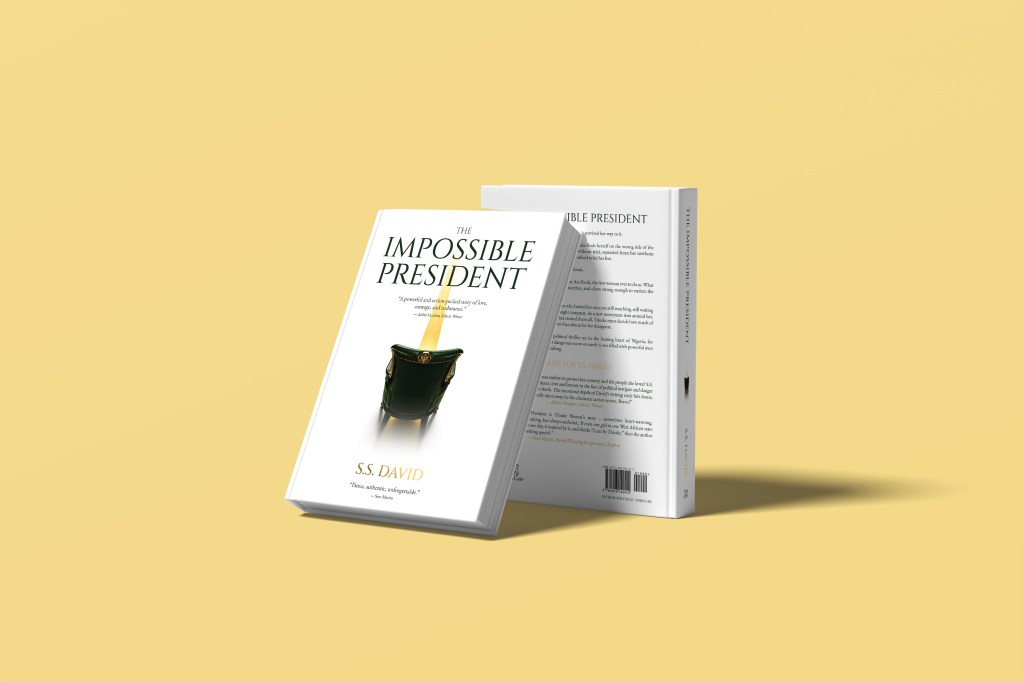
That thought feels especially relevant this week, as Arrow Gate Publishing will release a new edition of The Impossible President on Tuesday 20 October. The novel was first published in Nigeria in 2002 and republished in Abuja in 2004. More than two decades later, it is finally being published for readers in the United Kingdom and internationally.

Yes, I’m writing it twice now. The Impossible President comes out on Tuesday, 20 October. I’m excited, and a little emotional, if I’m honest. Twenty-four years ago, I wrote this book in Nigeria. Next week it will be published in the country where I now live, love, teach and conduct my research. As someone whose life has been shaped by both Nigeria and Britain, I find myself thinking about that journey more than I expected.
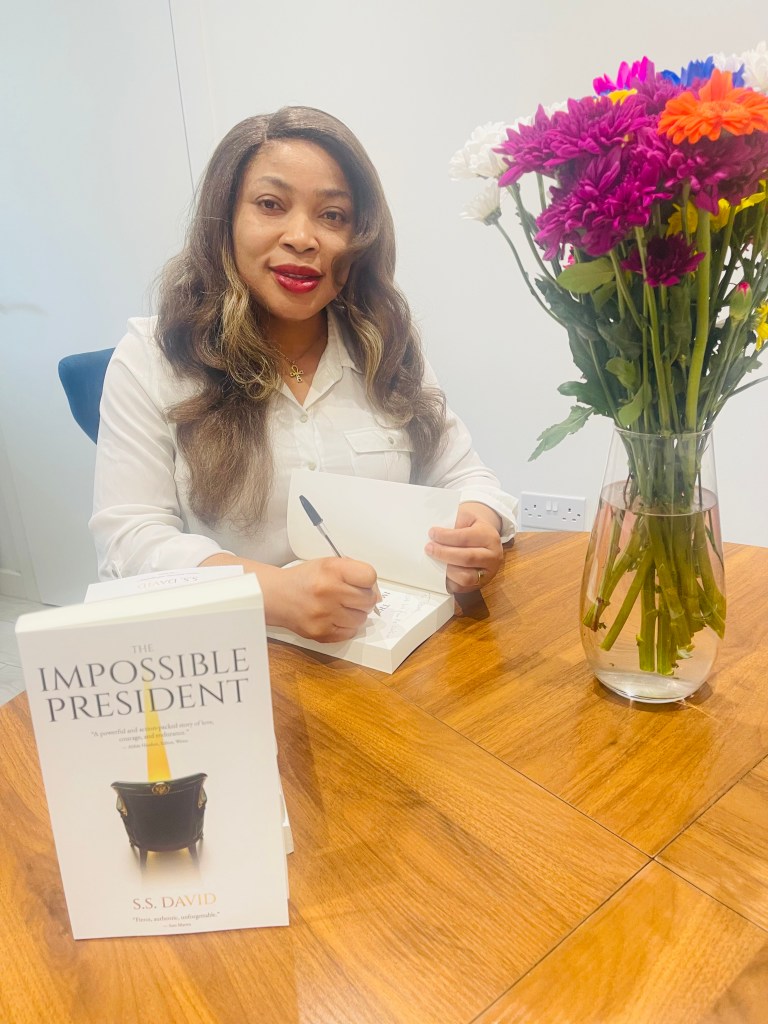
Signing the early readers’ review today. Already posted!

I have lived with this book for a long time. It has a story behind it, and it’s linked to my PhD research. Perhaps that is why seeing it take on a new life feels different from publishing something entirely new. A new book arrives with possibility. An older book returns, carrying its history. It reminds you where you were when you wrote it, what concerned you then, and which questions seemed important enough to spend years on.

The question at the centre of The Impossible President was simple – what would it take for a woman to become president of Nigeria? And I’m not talking about it in theory, or symbolically, or because a speechwriter thought it would make a good campaign slogan.

What would it actually take?

Nigeria celebrated sixty-six years of independence on 1 October. Over those sixty-six years, no woman has served as president or vice president. That fact stayed with me when I first wrote the novel and still does today. I once asked my mum why, and she gave a short laugh and said, “Men are always afraid of a strong woman.” What she said was debatable, but it may have some truth.

This brings me to this year’s Black History Month theme in the United Kingdom: Honouring Our Communities. I have repeatedly returned to the relationship between history and visibility. Communities are not built by famous people alone. They are sustained by countless others whose names seldom appear in public records. Teachers, campaigners, carers, organisers, checkout operators, and community leaders often leave behind profound legacies while receiving very little recognition beyond the circles directly affected by their work.

My doctoral research at London Metropolitan University focuses on women of the ancient Benin Kingdom. I have immersed myself in the stories of women whose economic and cultural influence was significant, and whose presence in historical records is often fragmented or incomplete. The evidence is there, but their stories are frequently overshadowed by the men who occupy centre stage. Research changes how you see things; perspectives are fluid and constantly evolving, and I now see things differently. Once you begin noticing who has been omitted from historical narratives, you begin to notice absences elsewhere too.

Many years ago, I became increasingly aware of accounts of young women from Edo State (Nigeria) being trafficked through routes that led to Italy. At the same time, Chief Mrs Amina Titi Atiku Abubakar and her organisation, WOTCLEF, helped force the issue into Nigeria’s national consciousness. Their work helped create NAPTIP in 2003, giving Nigeria a federal agency dedicated to combating human trafficking. I dedicated The Impossible President to her because I believed then, and still believe now, that some of the most important changes in society happen because individuals decide that something unacceptable can no longer be ignored.

Tinuke, the novel’s protagonist, is not a real person, but she did not emerge from nowhere. She was shaped by the many women whose stories I encountered, by women whose achievements have been documented and by women whose contributions survive only in memory. Like all fictional characters, she is an invention. Unlike many fictional characters, however, she was built from realities that already existed.
What continues to interest me is that the question posed by the novel is not uniquely Nigerian. According to figures published by UN Women and the Inter-Parliamentary Union, only 28 countries in the world are currently led by a woman head of state or government, while more than one hundred have never had one. In Africa, only two countries currently have a woman president. Nigeria is not unusual in waiting for that milestone. It is simply one of many nations still waiting. The United States has never had a woman president either.

For that reason, the novel feels no less relevant now than it did when it first appeared.

Readers approaching The Impossible President as a thriller will find political manoeuvring, betrayals, corruption, violence, ambition and people willing to sacrifice almost anything to retain power. Those elements are certainly there. What interested me most as a writer, however, was the question underneath the plot: who is considered fit to lead, who gets shut out, and what happens when someone refuses to accept those limitations?

Sam Martin described the novel as “fierce, authentic, unforgettable”. Abbie Headon called it “a powerful and action-packed story of love, courage, and endurance”. I am grateful to both of them for reading the book so generously.

I am equally grateful to all of you who have continued to read this blog over the years. Some of you have been here since the early days; I started blogging in 2012, and I have made thousands of friends all around the world. While others arrived more recently. Either way, thank you for staying with me. I’ll visit and read more of your articles whenever I can.

The Impossible President is published on Tuesday, 20 October, by Arrow Gate Publishing. If the questions raised here interest you, I hope you will read it and tell me what you think. If you’re interested in a PDF, a proof copy, or the paperback, please let me know. If you do read it, please leave a review when you can.

You can preorder here: Arrow Gate Stores, Amazon UK, Waterstones, Bookshop.org and wherever books are sold.

Stay safe wherever you are in the world, and much love, always! 🙂
A Touch of Redemption

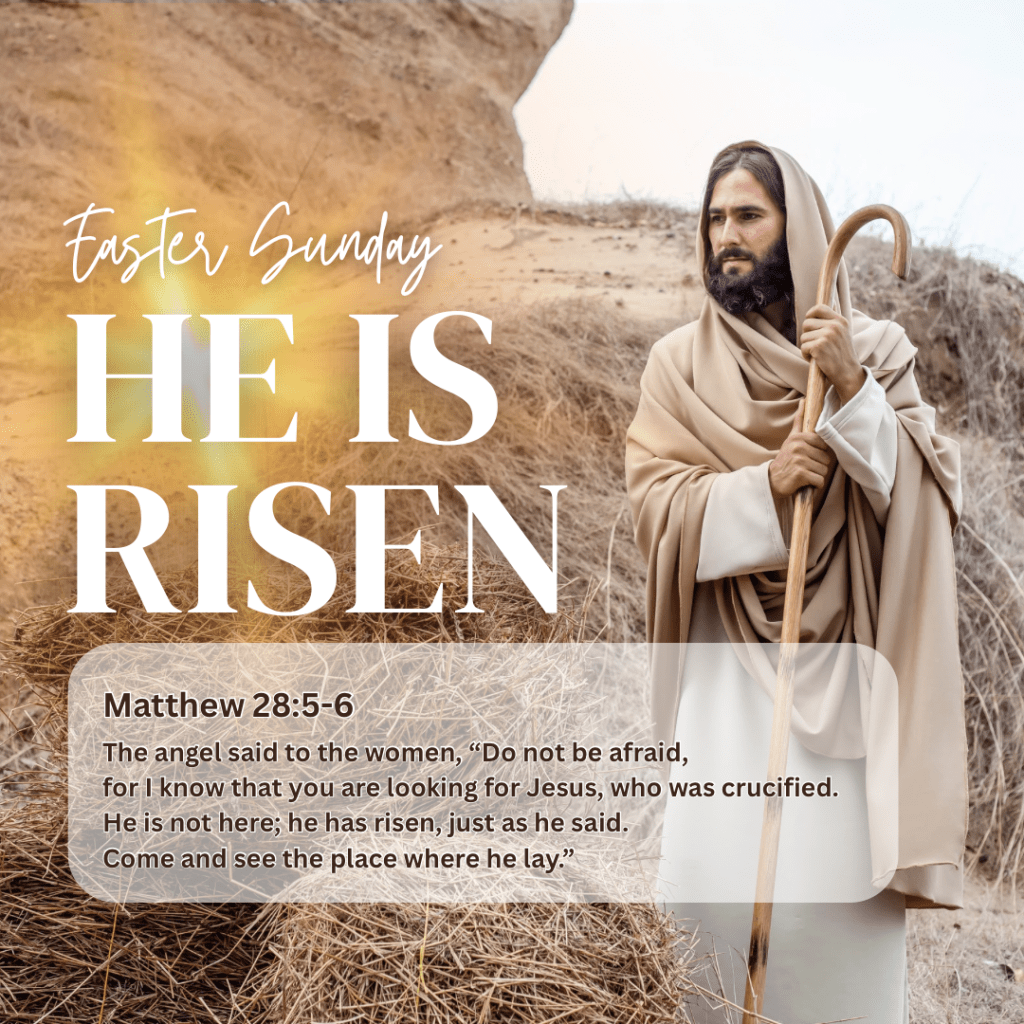
Jesus is Alive!

Last Thursday, I went for a routine blood test, which has always been challenging due to my very small veins. I was directed from one department to another until finally reaching the blood collection area where many patients were waiting. Despite my upcoming elective procedure on Monday requiring these results, I still needed to wait my turn.

Jesus Shed His Blood For Us

When my time came, the phlebotomist struggled as expected. In a final attempt, she asked me to stretch out both hands, successfully drawing blood from each—though it was quite painful. This experience sparked a profound thought: the discomfort in my hands reminded me of Christ’s crucifixion, though my momentary pain was insignificant compared to His suffering.

What makes this reflection especially meaningful is the Easter season we’re celebrating today! Jesus didn’t remain on that cross or in the tomb—He conquered death and rose again! As the Scripture beautifully declares, “He is not here; he has risen, just as he said,” (Matthew 28:6).

This resurrection isn’t just a historical event but offers hope to everyone. The promise that “because I live, you also will live” (John 14:19) transcends religious boundaries, inviting all to consider what new beginnings might be possible in their lives.

Whether you share my faith in Christ Jesus or not, Easter’s themes of renewal, hope, and perseverance through suffering speak to the universal human experience. Even from small moments of discomfort can come beautiful reflections on life’s deeper meaning.

May we all find moments of peace, renewal and joy during this season!

Happy Easter my friends!

Much love, always!💞😊

The Rewrite

There’s a profound difference between the stories we write and the stories we live. As a writer, I’ve shelved countless manuscripts—unfinished works waiting for my return, my revisions, my second chances. The pages sit patiently, knowing I might someday breathe new life into their dormant potential.

Life offers no such luxury. We write our story in permanent ink, each moment committed irrevocably to the record. There are no drafts to revisit and no passages to rewrite. The narrative unfolds in real time, with no chance to polish our regrets into something more beautiful in retrospect.

Eleven years ago, my dear friend Ken reviewed my book “Cydonia: Rise of the Fallen.” I read through his review just a few minutes ago and felt that familiar writer’s urge to revise and improve. How fortunate that my written work allows for second editions! Yet this moment illuminated a stark contrast—while my book may see multiple iterations, my life will see just one.

Why, then, do we waste our precious days scrolling aimlessly, ensnared in digital echoes that contribute nothing to the significance of our story? Why spend hours on transient distractions when we could be creating memorable experiences?

For those who believe, as I do, in life after death, there comes a reckoning—not an editing session. Our completed manuscript will be read, not revised. This is not meant to inspire fear but urgency—an invitation to live deliberately, to make each word and day count.

Let us write lives worth reading—stories of impact, kindness, and purpose. Let us make our corners of the world better places, knowing we won’t get the chance to rewrite what we’ve lived, only to live what we’ll be proud to have written.

As always, I’m inundated with work, but I will endeavour to update my website as much as I can. Thank you for reading, my friends, wherever you are.

Much love, always. 🙂

The Elusive Price of Peace

The price of peace cannot be measured in tangible terms. I was speaking to a family friend about the Hamas/Israeli ceasefire and wondered why we find it so challenging to coexist peacefully with our neighbours. My friend replied dryly, “We all have free will to kill and destroy, or…” a glint appeared in his brown eyes, “to love and live in peace.” His words kept echoing in my mind as I watched the news of the prisoner exchange between the Israelis and Hamas.

The ceasefire announcement between Hamas and Israel fills me with cautious optimism. I have watched this conflict unfold, and while I recognise one ceasefire does not resolve everything, I believe each step towards peace is immensely significant. It reminds me that there is always hope for dialogue and understanding, even in the darkest times.

I was praying with my family last night and was grateful that bombs were not dropping near our bedroom windows, nor were sirens blasting through the streets. Yet, as I type this, my heart aches as Russia continues to pummel Ukraine with rockets and drones. The resilience of the Ukrainian people amazes me, but I can’t help wondering how many more lives will be disrupted before this conflict ends.

When I turn my attention to Africa, especially Sudan, I feel overwhelmed by the scale of human suffering. The ongoing civil unrest there and conflicts in other parts of the world are concerning. We can’t ignore these crises because they might seem far from home.

I understand we cannot measure the price of peace in simplistic terms. While experts can calculate military costs and infrastructure damage, I see the true price in the faces of displaced families, in the stories of lost homes, and in the eyes of traumatised children.

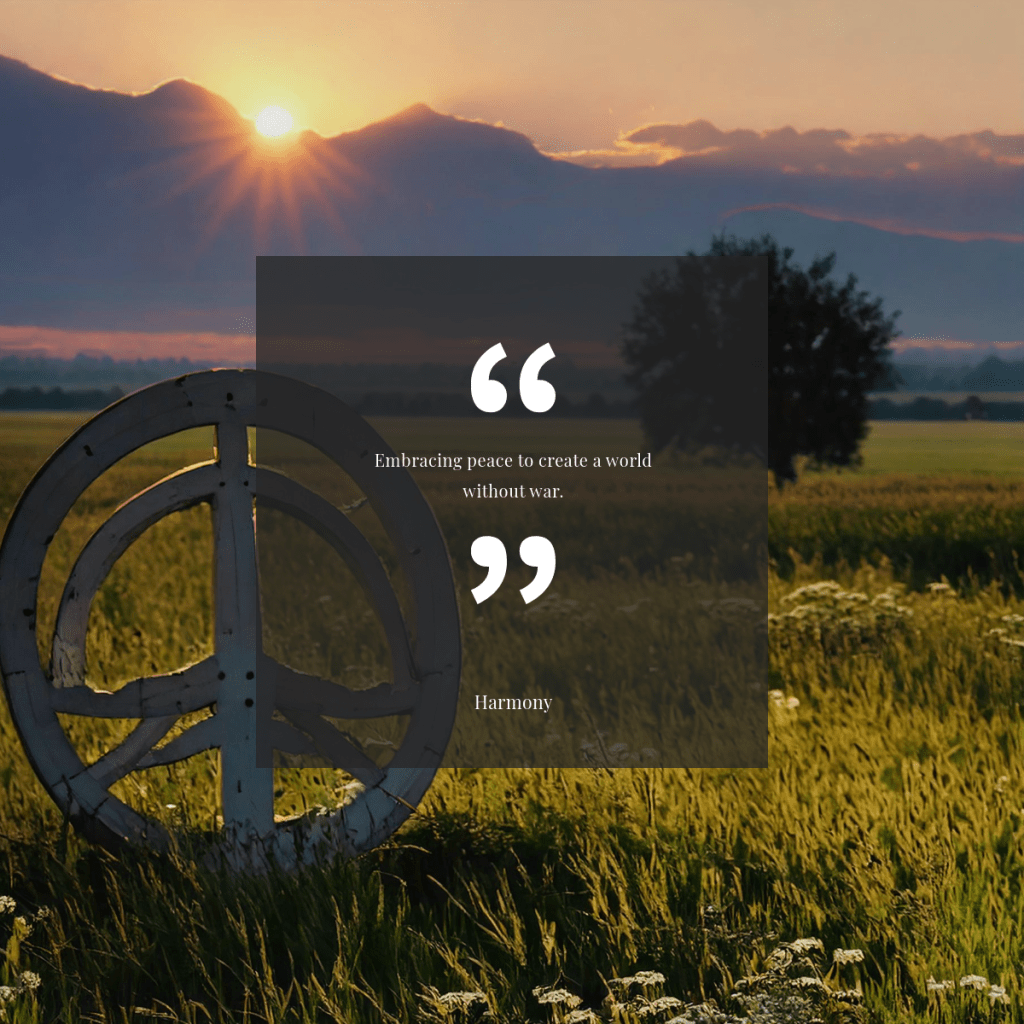
As I write this, I cling to hope. We just need to flip through the pages of history to know that peace is achievable. Every ceasefire, every negotiation, and every small step towards understanding brings us closer to a more stable world. We each have a role to play in this journey towards peace, no matter how insignificant our individual contributions may seem. That I’m writing this article means something; we need to desire peace wherever we are in the world.

Have a great, fruitful week wherever you are in the world.

Much love, always! 🙂

A Cry For the Past: Remembering the Fallen

In the dimly lit living room of our home, I watched my adult son experience the brutal reality of war through Edward Berger’s adaptation of “All Quiet on the Western Front.” As tears streamed down his face, I realised that nearly a century after Erich Maria Remarque penned his haunting novel, its message still pierces young hearts with devastating clarity.

The film, released in 2022, doesn’t merely depict war – it thrusts viewers into the mud-filled trenches of World War I, where hope dies as quickly as the young soldiers who enlisted with dreams of glory. Through the eyes of Paul Bäumer, a German teenager who enthusiastically volunteers for service, we witness the systematic destruction of youthful innocence.

What makes this adaptation particularly powerful is its unflinching portrayal of warfare’s futility. The scene that broke my son wasn’t one of spectacular explosions or dramatic deaths – it was the quiet moment when Paul, having just killed a French soldier in hand-to-hand combat, watches the life slowly leave his enemy’s eyes. In that instant, my son understood what textbooks could never convey: the profound human cost of war.

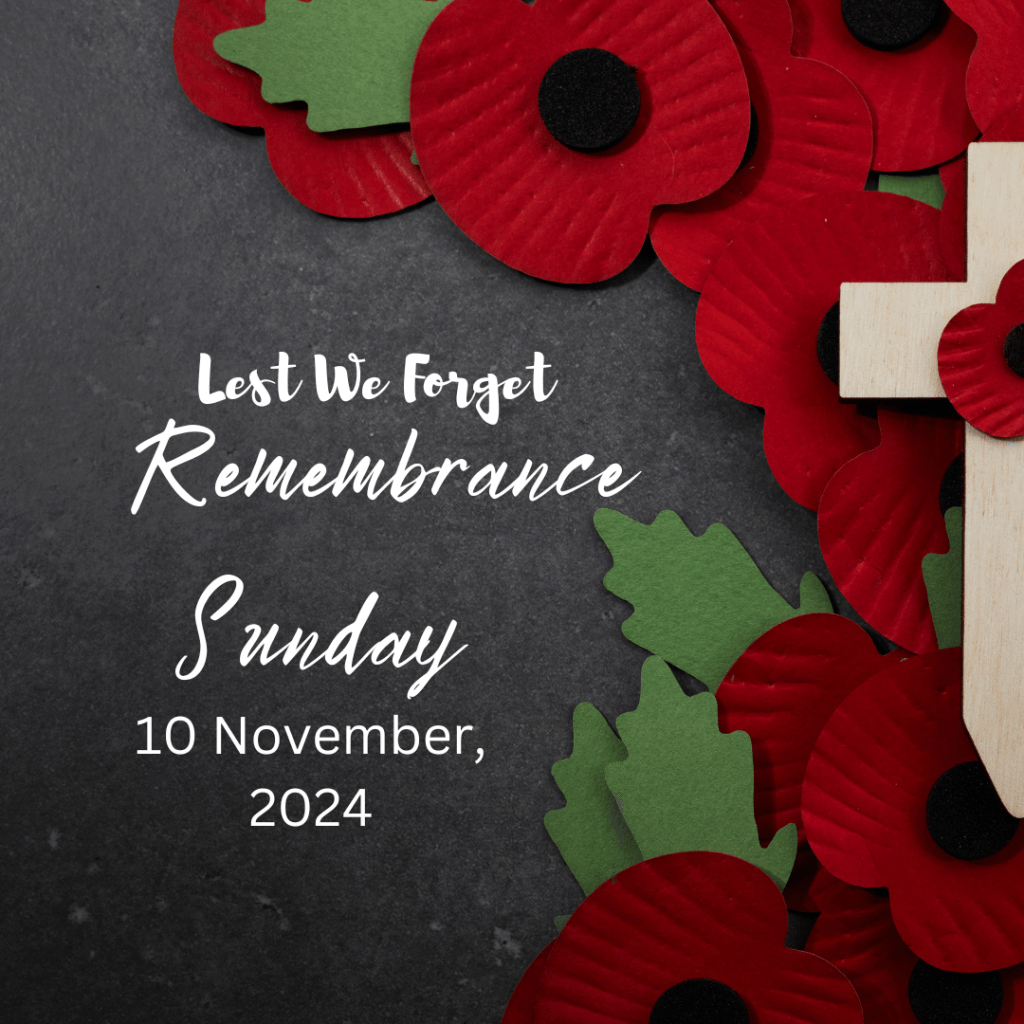
As we observe Remembrance Sunday this November 10, the film serves as more than entertainment or historical drama. It becomes a bridge connecting generations – helping today’s youth understand why we wear poppies, why we observe minutes of silence, and why we must never forget. My son’s tears weren’t just for Paul or the countless young men who died in World War I; they were tears of recognition, understanding that each name etched on war memorials represents a story as accurate and tragic as those depicted on screen.

“All Quiet on the Western Front” accomplishes what every war memorial aspires to do: it makes us remember the statistics of war and its human face. As my son wiped his eyes after the film, he whispered something that would stay with me forever: “Mum, they were younger than me. They were just kids.” My son rarely shows his emotions. This was one of the few times he allowed the torrents to flow. My husband and I hugged him as I reflected on the war plaguing our world, from Ukraine to Congo, From Sudan to Palestine, it’s never-ending, and we must do better.

Wars must stop!

This Remembrance Sunday, as we honour the fallen, let us remember that the best tribute we can pay to those who sacrificed everything is to ensure their stories continue to move new generations. Through films like this, their experiences live on, teaching invaluable lessons about the cost of war and the precious value of peace.

In remembering, we must do more than recite “Lest we forget” – we must help our children understand why we must never forget. Sometimes, it takes a son’s tears to remind us that the past isn’t as distant as we think.

The Arms Dealer’s War: A Pacifist Perspective

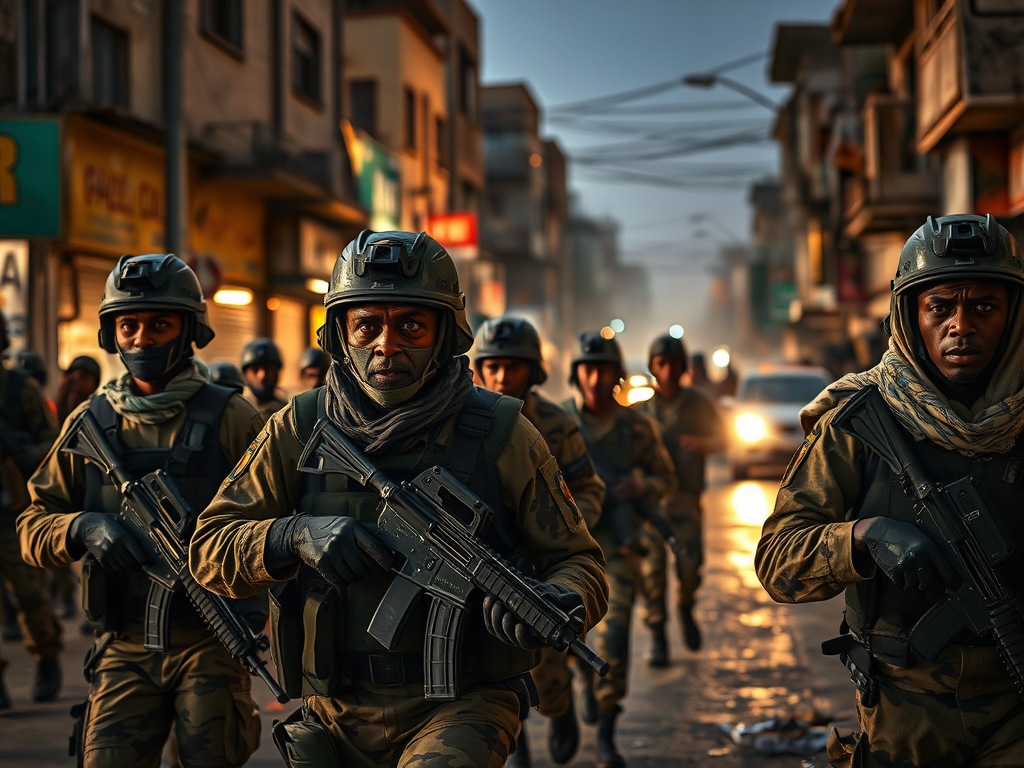
As I scrutinise the global landscape, my heart grows heavy. The conflicts in Ukraine and the Middle East are just the tip of a blood-soaked iceberg. Russian forces continue their relentless assault on Ukrainian soil, while the cycle of violence between Israel, Iran and its proxies, Hamas and Hezbollah, seems never-ending. Amidst the chaos and destruction, one group thrives in the shadows – the arms dealers.

Across Africa, long-standing wars continue to ravage nations. The Sudanese Army and Rapid Support Forces are logged in never-ending warfare in Sudan. Despite efforts for peace, sporadic violence persists, and according to DW News, the 15-month war has left over 150,000 people dead. The Democratic Republic of Congo remains trapped in a cycle of conflict involving numerous armed groups, and according to Global Conflict Tracker, the war has led to six million deaths! In the Sahel region, countries like Mali, Burkina Faso, and Niger grapple with insurgencies and coups.

Turning to the Americas, the situation is equally grim. In Mexico, brutal drug cartels wage war against each other and the state, leaving a trail of devastation. Colombia, despite a peace deal with FARC rebels, still contends with dissident groups and other cartels. Venezuela’s ongoing crisis has regional implications, with violence spilling across borders.

In Myanmar, the military junta’s oppression has sparked armed resistance. The Afghan people face an uncertain future under Taliban rule, with pockets of resistance and the ever-present threat of extremist groups. In Yemen, a complex civil war has created one of the world’s worst humanitarian crises.

Behind each of these conflicts, the shadowy figures of arms dealers loom large. They profit from every bullet fired, every bomb dropped, and every life shattered. Their wares find their way into the hands of state armies, rebel groups, terrorist organisations, and criminal syndicates alike. The global arms trade knows no borders, no morality—only the cold logic of supply and demand.

As a pacifist witnessing this worldwide carnage, I’m driven to ask: How can we break this cycle? How can we forge a path to lasting, global peace? The pacifist in me yearns for a world where conflicts are resolved through dialogue and diplomacy, not through the barrel of a gun or the blast of a missile.

Is it naive to imagine a future where we invest in education, healthcare, and sustainable development instead of arms races? Can we envision a world where the billions spent on weapons are redirected to fighting poverty, disease, and climate change?

The cynic might say this is an impossible dream, but we must strive for it nonetheless. Every life lost in these conflicts is a tragedy, a potential extinguished forever. We owe it to ourselves and future generations to seek alternatives to violence. As long as some profit from war, peace will remain elusive. But if we can change our collective mindset and see humanity in our perceived enemies, we can begin to build a world where arms dealers have no place.

The path to peace is long and filled with challenges. But it begins with us questioning the status quo and daring to imagine a better way. In the face of ongoing conflicts, let us not lose hope. Let us work tirelessly for a future where the only arms we need are those we use to embrace one another.

If we can all imbibe the ideology of a pacifist, we’re moving towards a peaceful world. 

A New Day, A New Year

A New Day!

It’s already 3rd of January, this year has started its journey. Like the sound of train tracks approaching a station, we’re truly and well on our way, exploring the unknown.

The unknown stretches far into the horizons

I don’t make New Year’s resolutions, rather I live one day at a time, committing everything into the Hands of my creator, God Almighty, who gives me wisdom and strength. To anyone reading this who doesn’t believe in God, you can still make your days worthwhile by being a better ‘you’. ‘Every Little Helps’, says the Tesco slogan, and I agree. A little here, and a little there, we can make positive changes in our world.

I wish you love, peace, and blessings☺️

I wish all my friends around the world, a happy and prosperous year. Be kind to yourself and others.

Have fun living your best life.

Much love, always!☺️

Love’s Essence from Two Hands

My daughter wrote the poem below on my birthday, and she gave me the permission to share it. If only we have love in the world, we will dance on the streets rather than raining bombs on ourselves. Our souls will have dwelled in safety, not fear.

I hope you’ll all enjoy reading the heartfelt love from a daughter to her mother.

Two Hands

Strong and Firm

Cupping and moulding a shape.

Spreading out a piece of Eternity

Your love, more priceless than

Moonbeams, and fickle dreams

And troubles that dissolve

In times steady pace

Providing a sense of security

Two Hands

That cup my face.

Providing an unexplainable

Yet undeniable sense of place

Apparent in shape and constitution, and beauty

Two Hands with concrete

And resolute wisdom

Pointing beyond the Earth’s clouds

To the Author and Finisher of our Faith

Pointing and providing

Undeniable direction and words of gold from your breath

Though my human and 

Simultaneous half girlish and half grown.

Nature may blindside those hands.

You wait, arms and hands outstretched.

Hold within those hands

The love that moulded me

The love and the piece that was.

With you, becomes a part of me.

Resolute and strong, beckoning

Me forth with those Two Hands

Two Hands that lead mine to 

The right path, advising, adjusting.

And teaching to pursue beyond

This world

In your embrace, my visage is filled with your warmth.

A cover provided, and obstructing the view.

Of deep and embedded scars of effort

And experience within your

Two Hands

And so, with my own Two Hands, connecting.

Extending out from my arms

I trace the scars.

Interlock fingers and once again

We embrace, but from I to you.

I love you ❤

As I read the poem again, my heart flush with pride and love for my daughter but it was quickly dampened by the wars raging around us. As the world rabbles with overwhelming hatred, I pray and hope we’ll find a way to truly love each other, eschew war, and our world will prosper.

Thanks for reading dear friends and please, stay safe, wherever you are in the world.

Much love, always! 🙂

One Day with Music

One Night with You, Stive Morgan

While I was working as usual, I had my music playing underground—it helps me when I’m writing and editing. The music’s rhythm matched my creative work well. A captivating melody danced into my ears, its beauty too fascinating not to share. It’s incredible how great music can make us feel strong emotions and touch our inner selves.

Photo credit: Marc Girard. Our Beautiful World

As the notes enveloped me, I couldn’t help but envision the scenes painted by the music, a vivid landscape of awe-inspiring beauty that beckons us to pause and contemplate the intricate masterpiece crafted by the divine hand of our Creator, God Almighty. At this moment, wherever you may be, I hope that your day is going on well. With Stive Morgan’s enchanting compositions as the backdrop, may we all find ourselves awestruck by the boundless magnificence of the world we call home.

Much love, always! 😊

Scents of the Past

Have you ever wondered how some scents can transport you to events in the past? When I peel an orange, I’m reminded of my childhood when my dad would sip a drink under a tree while I played in the backyard. Oranges always trigger these memories for me. Perfumes are a passion of mine as well, and I often find myself attached to a particular fragrance because of the memories it invokes. Certain home fragrances take me back to happy memories, and I keep selecting them. 

Our senses can remarkably transport us back in time, evoking vivid memories and emotions. While sight and sound often take centre stage, the power of scent can truly captivate us, unlocking forgotten moments. The aroma of freshly baked bread, the scent of summer rain, or the perfume worn by a loved one—these fragrances hold the key to a sensory time machine, enabling us to relive past scents.

Scents have a unique ability to trigger memories with remarkable precision. I love the aroma of a freshly cut grass (some people may find that strange). It transports me to carefree childhood days spent playing outdoors and chasing my brothers through the countryside. The whiff of a particular dish might conjure images of cherished family gatherings, or spending time with a loved one. Scents have a profound impact on our lives, subtly influencing our moods, triggering nostalgia, and imprinting themselves onto our memories. The fragrance of a particular place, era, or occasion becomes etched in our minds. Exploring the scents of the past is akin to peeling back the layers of history and embarking on a fragrant adventure.

Scents hold a unique and captivating power over our memories. Effortlessly, they take us back to cherished memories, connecting us with our personal histories and the people who influenced them. Whether natural or deliberately crafted, scents enrich our lives and deepen our understanding of the intricacies of human memory.

Are there any scents that have a particular effect on you? I’m eager to read your comments about them below. May we all have a delightful day and a wonderful summer, and always spread love and happiness wherever we may be.

Much love, always! 🙂