While I was working as usual, I had my music playing underground—it helps me when I’m writing and editing. The music’s rhythm matched my creative work well. A captivating melody danced into my ears, its beauty too fascinating not to share. It’s incredible how great music can make us feel strong emotions and touch our inner selves.
Photo credit: Marc Girard. Our Beautiful World
As the notes enveloped me, I couldn’t help but envision the scenes painted by the music, a vivid landscape of awe-inspiring beauty that beckons us to pause and contemplate the intricate masterpiece crafted by the divine hand of our Creator, God Almighty. At this moment, wherever you may be, I hope that your day is going on well. With Stive Morgan’s enchanting compositions as the backdrop, may we all find ourselves awestruck by the boundless magnificence of the world we call home.
I’ve been away for a while, taking a break to Scotland with my family and we had a marvellous time. The beautiful landscape of rolling hills, canopy trees, and luscious vegetation took my breath away. Scottish people are renowned for their welcoming and friendly nature. Strangers will see you in the street and smile and wave. You don’t get that reaction in ‘high octane’ London. I’ve spent most of my adult life in London, and I consider myself a Londoner first and British second. I love the city, but Scotland is now a huge contender – the fresh air, those stunning natural views, and I’m seriously considering moving up north.
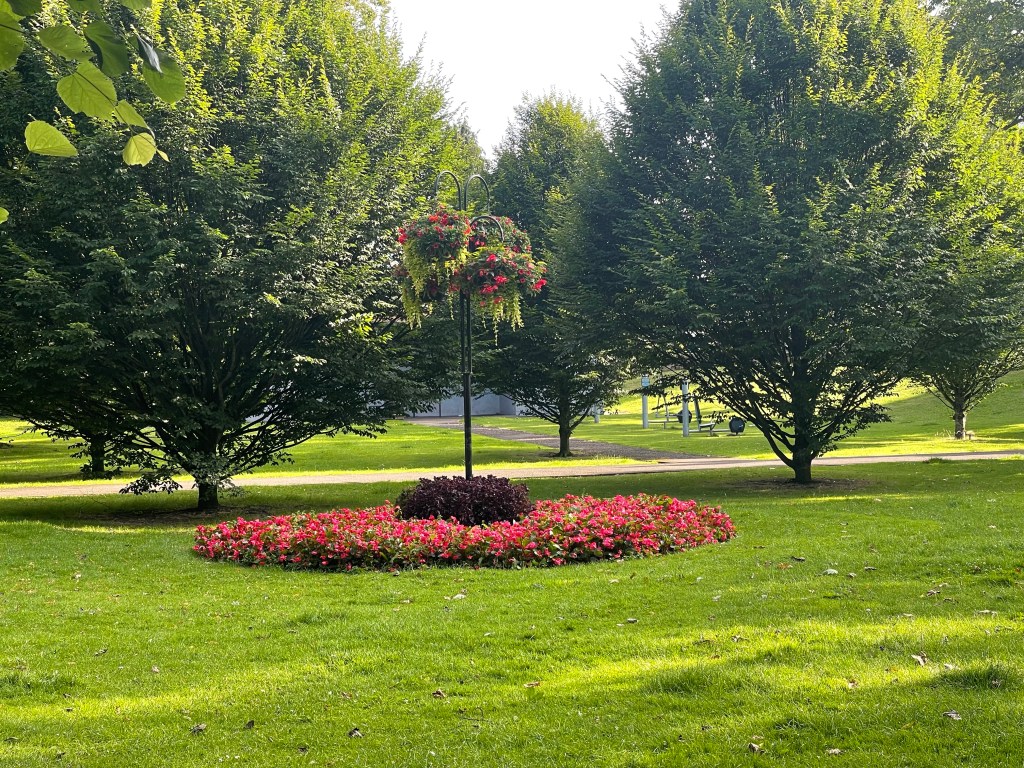
Cupar Park, Scotland
There is a place called LadyBank in Fife, Scotland where we spent amazing days in a rented apartment. The only mistake we made was not booking longer. It’s important to rest and rewind before going back to the fray. And I hope anyone reading this will find the time to relax and rest. Below are some pictures I took.
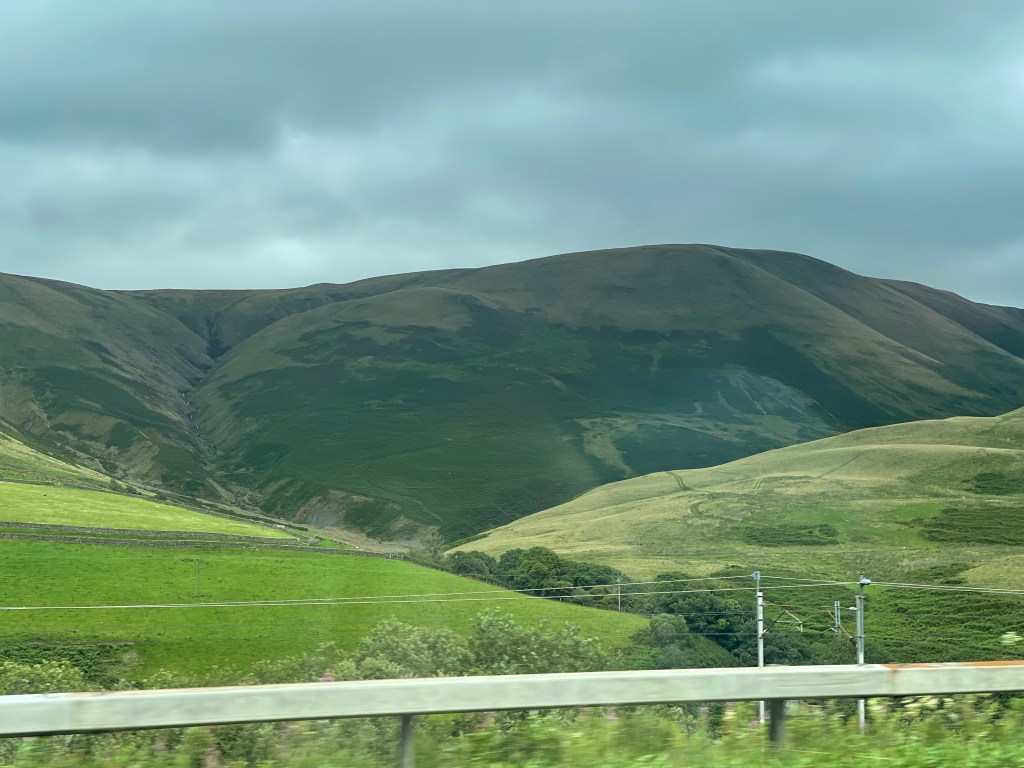
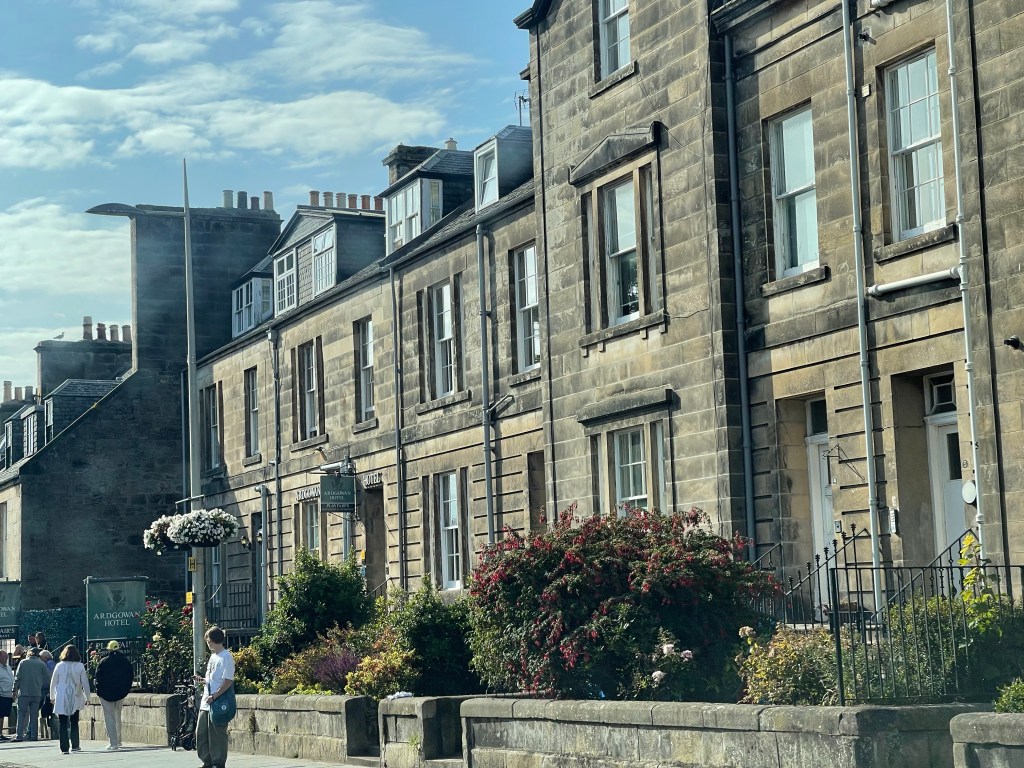
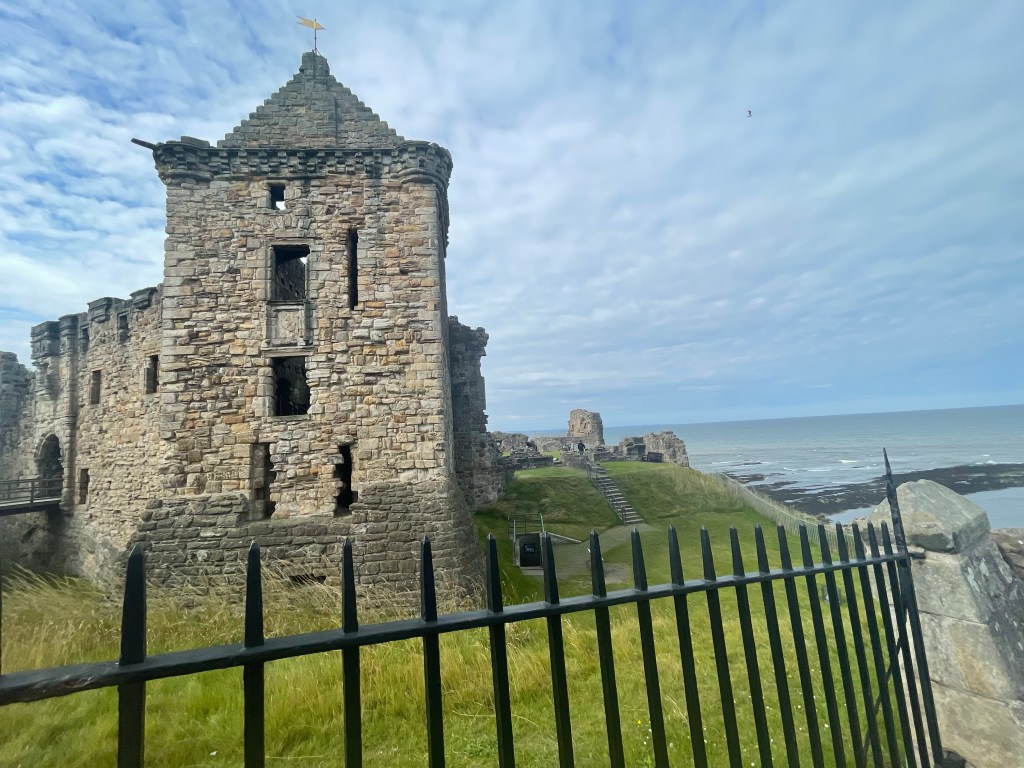
Luscious mountain, Scotland St Andrews, Scotland. I love stone houses!☺️St Andrews Castle
Queensferry Crossing Bridge, Scotland
I took almost a hundred images and several videos, which I’ll probably upload later. So wherever you are in the world, be kind, be well and be good!
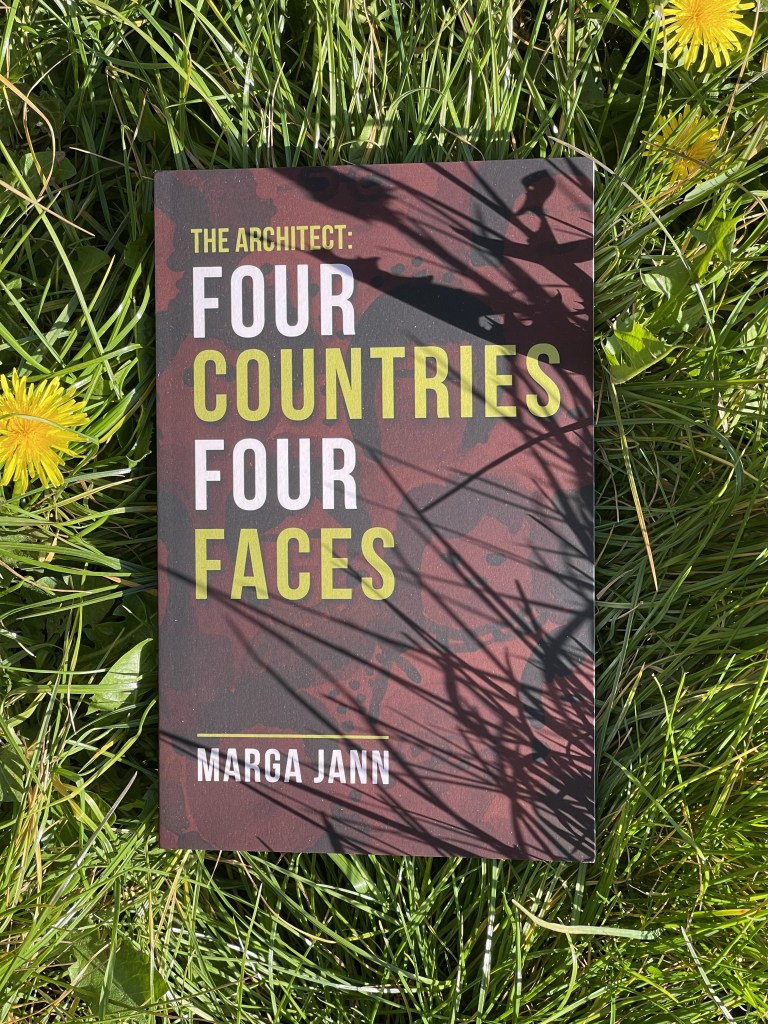
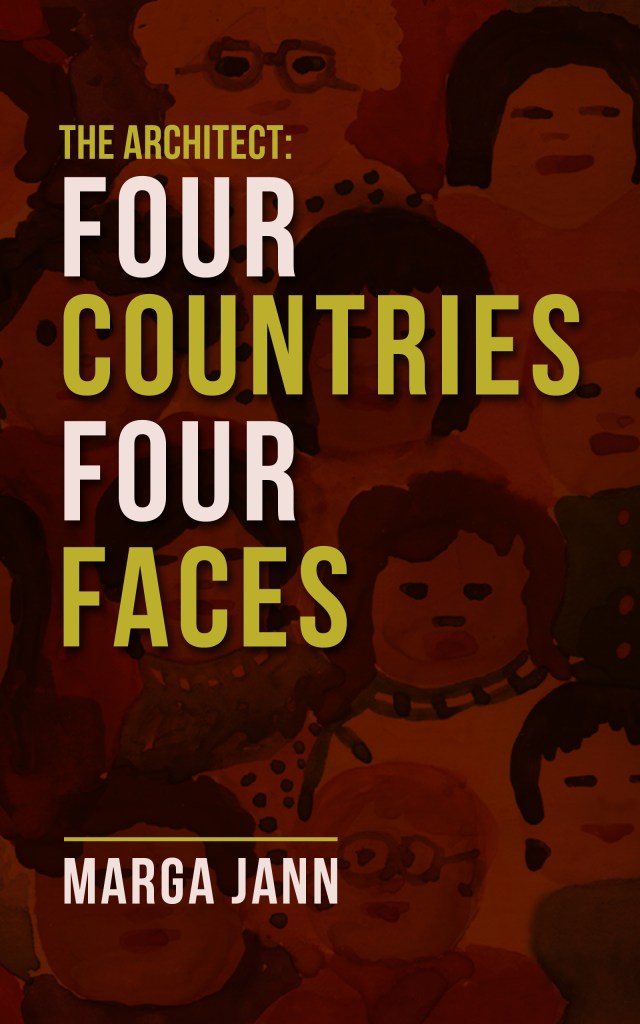
In the gripping semi-autobiographical novel, “The Architect: Four Countries Four Faces,” Marga Jann, a talented architect and professor, takes readers on an extraordinary journey that combines the realms of international intrigue, intense spiritual warfare, and the power of prayer. Jann’s unique blend of personal experiences, contemporary socio-cultural insights, and geopolitical dynamics create a thought-provoking narrative that unveils the hidden battles that surround us, both in the physical and spiritual realms.
A Multifaceted Perspective:
As an accomplished author, artist, parent, and professor, Marga Jann brings a wealth of knowledge and a diverse set of skills to her semi-autobiographical novel. Drawing from her expertise as a licensed architect and chair of Architectural Engineering at The American University of Kurdistan, Jann paints a vivid picture of the academic world and seamlessly weaves it into a dangerous and diplomatically-sensitive battle between intelligence operatives from MI6, CIA, and Saudi Intelligence.
The Power of Prayer:
One of the central themes of “The Architect: Four Countries Four Faces” is the transformative power of prayer. Jann skilfully illustrates how prayer becomes a powerful tool in the protagonist’s journey to expose and conquer the workings of darkness. Through her personal experiences, Marga Jann emphasises the importance of spiritual awareness and the ability to discern the interconnected real and spiritual wars that surround us, even in seemingly random everyday battles.
Geopolitical Insights:
Beyond the enthralling narrative, Marga Jann delivers important contemporary socio-cultural and geopolitical insights that are often overlooked by mainstream media. Jann’s experiences as a Visiting Research Fellow at the University of Cambridge lend authenticity to the geopolitical dynamics portrayed in the novel. By intertwining the intricate threads of international intrigue, she provides readers with a deeper understanding of the complex forces at play in our interconnected world.
Unconventional Storytelling:
“The Architect: Four Countries Four Faces” stands out for its unconventional storytelling style. Jann’s approach, which combines a quartet of academic assignments with intense spiritual warfare, creates a seat-gripping and thought-provoking reading experience. This blending of elements from academia, espionage, and the spiritual realm challenges readers to explore the interconnectedness of seemingly disparate aspects of life.
Marga Jann’s “The Architect: Four Countries Four Faces” is a captivating and thought-provoking novel that skilfully combines personal experiences, academic insights, and spiritual warfare. Through her multifaceted perspective as an architect, professor, and parent, Jann explores the transformative power of prayer and sheds light on the hidden battles that surround us. This engrossing semi-autobiographical narrative not only captivates readers with its intrigue but also encourages them to reflect on the broader socio-cultural and geopolitical dimensions of our world. “The Architect: Four Countries Four Faces” is a must-read for those seeking a unique blend of entertainment, spiritual enlightenment, and geopolitical awareness.
I had a wonderful time editing and working on this incredible book, which boasts a concise 190 pages, making it a perfect quick read that can easily fit snugly into your luggage if you’re heading on a holiday.
“The Architect” is available worldwide, wherever books are sold.
Have you ever wondered how some scents can transport you to events in the past? When I peel an orange, I’m reminded of my childhood when my dad would sip a drink under a tree while I played in the backyard. Oranges always trigger these memories for me. Perfumes are a passion of mine as well, and I often find myself attached to a particular fragrance because of the memories it invokes. Certain home fragrances take me back to happy memories, and I keep selecting them.
Our senses can remarkably transport us back in time, evoking vivid memories and emotions. While sight and sound often take centre stage, the power of scent can truly captivate us, unlocking forgotten moments. The aroma of freshly baked bread, the scent of summer rain, or the perfume worn by a loved one—these fragrances hold the key to a sensory time machine, enabling us to relive past scents.
Scents have a unique ability to trigger memories with remarkable precision. I love the aroma of a freshly cut grass (some people may find that strange). It transports me to carefree childhood days spent playing outdoors and chasing my brothers through the countryside. The whiff of a particular dish might conjure images of cherished family gatherings, or spending time with a loved one. Scents have a profound impact on our lives, subtly influencing our moods, triggering nostalgia, and imprinting themselves onto our memories. The fragrance of a particular place, era, or occasion becomes etched in our minds. Exploring the scents of the past is akin to peeling back the layers of history and embarking on a fragrant adventure.
Scents hold a unique and captivating power over our memories. Effortlessly, they take us back to cherished memories, connecting us with our personal histories and the people who influenced them. Whether natural or deliberately crafted, scents enrich our lives and deepen our understanding of the intricacies of human memory.
Are there any scents that have a particular effect on you? I’m eager to read your comments about them below. May we all have a delightful day and a wonderful summer, and always spread love and happiness wherever we may be.
Today marks the 18th anniversary of the London transport bombings, which caused the death of 52 people and numerous injuries. Here in Europe, we’re still watching the carnage unleashed on Ukrainians when Russia invaded their country, killing thousands of innocent people and inflicting untold suffering on both sides. I’ve lost count of the mass shootings in the US this year. Here in the UK, we’re grappling with knife crimes, young lives snuffed out at regular intervals. Then today, I read about an Ohia man, Chad Doerman, who executed his three young sons, allowing the mother to witness the heinous crime. He would probably claim insanity, which brings me to the complexity inherent in the human heart.
The human heart, both anatomically and metaphorically, has long captivated our imaginations. The heart is a fascinating organ that sustains life and influences emotions and actions. While the heart is often associated with kindness, love, and compassion, it can also exhibit darker aspects of human nature. Today I want to explore the duality of the human heart, highlighting its potential for both wickedness and kindness.
The Wickedness of the Human Heart:
Human history is replete with tales of cruelty, violence, and malevolence that originate from the depths of the human heart. Suffering and pain can be caused by actions stemming from evil thoughts in the heart. The seeds of wickedness can grow within and sprout as greed, envy, hatred, or revenge. The book of Jeremiah from the Bible echoes this message.
“The human heart is the most deceitful of all things and desperately wicked. Who really knows how bad it is? But I, the LORD, search all and examine secret motives. I give all people their due rewards, according to what their actions deserve.”
Jeremiah 17: 9-10
Selfishness and wrong beliefs have caused terrible acts throughout history. Some of the darkest moments in history have been centred around the human heart, including wars, genocides, violence, and oppression. It’s a reminder of the capacity for evil that lives within us.
The Kindness of the Human Heart:
However, amidst the wickedness, the human heart is also capable of immense kindness and compassion. It’s the source of love, empathy, and altruism that can lead to acts of selflessness and generosity. The heart encourages kindness and support towards others.
Comforting friends, helping strangers, and donating to charity are simple acts of kindness. It’s also evident in the tireless work of individuals and organisations that strive to address social injustices, fight for equality, and improve the well-being of others. The human heart, when guided by empathy and compassion, has the potential to create positive change and heal wounds.
The Balance of the Human Heart:
Human hearts contain a mix of both wickedness and kindness. Everyone has the potential for both good and evil, and their choices shape their path. Our hearts is not a static entity. It can evolve and transform over time, influenced by experiences, education, and personal growth. Acknowledging both wickedness and kindness within ourselves helps us understand our humanity and strive to cultivate a kind heart while rejecting wickedness.
The human heart is a complex entity that harbours both wickedness and kindness. It holds the capacity for great evil and the power to generate immense love and compassion. Reflecting on our actions helps us understand this paradox. By doing so, we can work towards creating a world that celebrates the inherent goodness within us and endeavours to minimise the wickedness that can sometimes arise.
The paradox of the human heart reminds us that our emotional experiences are complex, nuanced, and multifaceted. It encapsulates the simultaneous capacity for immense strength and vulnerability, guiding us to navigate the depths of our emotions with self-awareness and compassion. By embracing this paradox, we can achieve a more profound understanding of ourselves and others, resulting in a richer, more fulfilling human experience.
In our corners of the world, let’s make our world a better place!
In a world where silence can be deafening and noise overwhelming, we often underestimate the immense power of the right words. Words possess a profound ability to shape realities, ignite emotions, and create lasting imprints on the tapestry of our lives. With a single word, we can bridge the gap between souls, uniting hearts that were once strangers. We can kindle the flame of inspiration, awakening dormant dreams and pushing the boundaries of what is believed to be possible. A word of encouragement can breathe life into weary spirits, nurturing resilience and instilling the strength to persevere.
Yet, sometimes, words can be wielded as weapons, inflicting wounds that cut deeper than any physical pain. They can tear down the strongest foundations, shattering the delicate harmony of relationships and leaving lasting scars on vulnerable hearts. The damage inflicted by a thoughtless comment can reverberate for years, eroding confidence and casting shadows upon once vibrant souls. We can see plenty of evidence around. Just check social media, and the hatred is staggering!
Words can heal, uplift, build bridges, and tear them down. The right words can unite, divide, inspire, discourage, and empower. The responsibility lies with us, the custodians of language, to choose our words with care and intention, for they have the potential to leave indelible imprints on the lives of others.
Let’s harness the power of words to create worlds of compassion, empathy, and understanding. Let’s paint portraits of hope using vibrant colours of encouragement and affirmation. Let’s craft narratives that celebrate diversity, challenge injustice, and elevate the voices of the marginalised. In the symphony of human existence, may our words be the harmonious notes that resonate with love, empathy, and unity.
In the end, it’s through words that we connect, express, and shape the very essence of our humanity. Let’s never underestimate the power we hold within our tongues and pens. May we choose our words wisely, for they have the potential to transform lives and leave an enduring legacy in the tapestry of our collective existence. The Bible says in Proverbs 18:21, “a gentle tongue is a tree of life, but perverseness in it breaks the spirit.”
So let us embrace the beauty of kind words, like a field of blossoming flowers, and spread their gentle essence wherever we go. May we sow seeds of kindness through our words and make the world a more beautiful place.
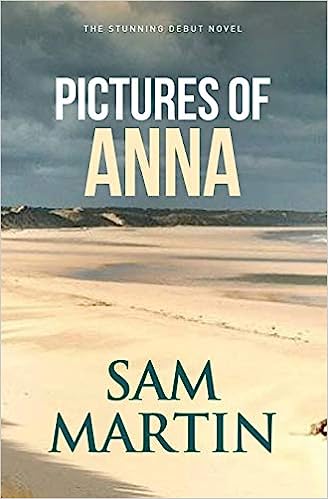
In the midst of the cruel and tumultuous era of war, there are stories that transcend the boundaries of time and place, touching the depths of human emotions. “Pictures of Anna” is one such captivating tale that weaves together themes of love, trust, and sacrifice against the backdrop of the horrors of war.
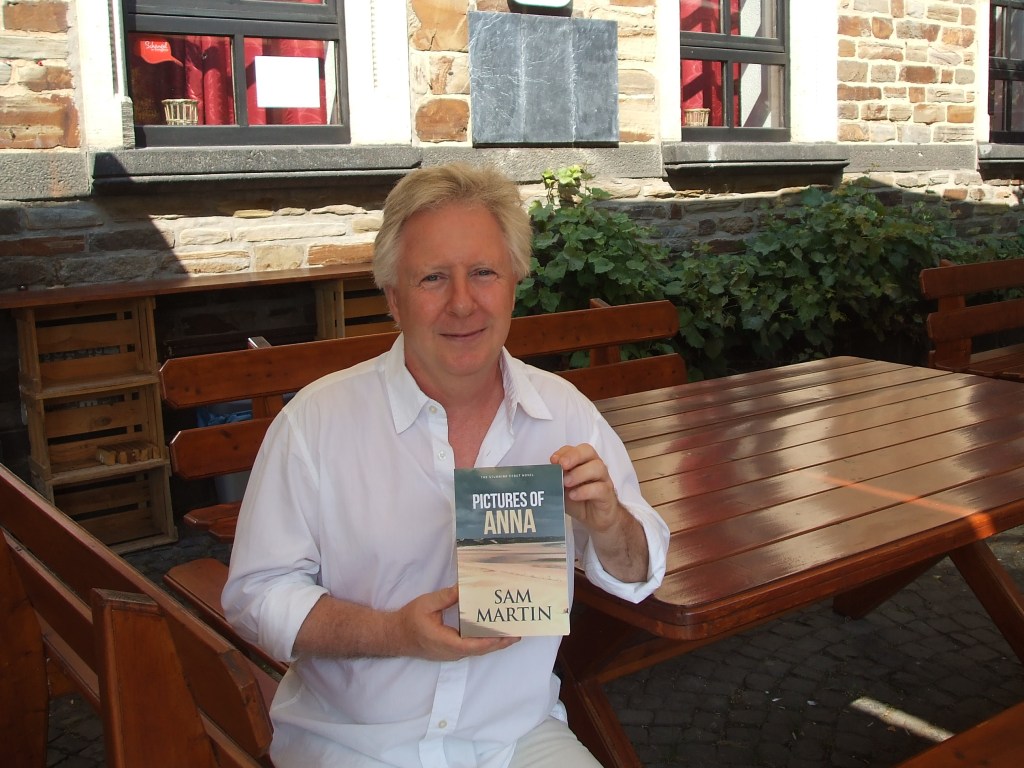
This captivating tale will transport you to a bygone era of war and unveil the profound human emotions that transcend time and place. “Pictures of Anna,” written by Sam Martin, an award-winning British author living in Germany, is a spellbinding tale that cleverly blends the themes of love, trust, and sacrifice with the brutal backdrop of war.
Sam Martin, author, Pictures of Anna
In a quaint old Norman church, under the golden rays of the late morning sun, a young bride named Anna anxiously awaits her groom. Her journey is one of escape, a desperate flight from the horrors of her past as a German of Roma origin during the dark days of 1930s Germany. London becomes her sanctuary, promising a new life free from the terrors that haunted her.
Sam Martin unfolds a powerful narrative, revealing a tapestry of emotions that resonate with readers. Through his gritty prose, Martin paints a sensitive portrait of Anna’s life, entwined with hope and heartbreak, love and hate, anger and confusion. The story becomes a poignant exploration of blind prejudice, intolerance, and redemption.
Martin skilfully brings to life the claustrophobic and tense atmosphere of the home front. He delves into the prevailing opinions of the time and illuminates the seismic decisions made by those in positions of power. In doing so, he creates a well-rounded view of the era, shedding light on the struggles and sacrifices of everyday people caught in the turmoil of war.
Anna’s journey resonates deeply with (me) readers, reminding us of the indomitable human spirit. Her story serves as a stark reminder that the effects of war extend far beyond the battlefields, impacting lives in profound ways. It challenges us to confront our prejudices as we witness the consequences of blind hatred and the power of love to overcome adversity. The fate of Anna is an unfortunate reflection of many lives still facing prejudice while searching for safety from war.
As you delve into the pages of this remarkable novel, you will be transported to a world where the past collides with the present, where Anna’s story becomes a universal tale of triumph over adversity. Through its pages, we are invited to witness history through the eyes of those who lived it and to cherish the freedoms we enjoy today.
I enjoyed reading and editing this story of hope, heartbreak, and redemption. The lady who inspired the author, Sam Martin, is still alive, and through her story, we gain a deeper understanding of the resilience of the human spirit and the power of hope to guide us through the darkest times.
Pictures of Anna is available wherever books are sold, and can also be purchased directly from the publisher here: https://arrowgatepublishing.com/store/
Almost everyone can relate to the saying “time flies by like the wind”. It’s hard to believe that it’s almost July when it feels like we just celebrated the New Year. 2024 is just around the corner! In what ways can we take advantage of the fast-moving nature of time?
According to one theory, our perception of time may change as we grow older. As children, we experience the world with excitement and curiosity, perceiving time as never-ending. With age, our brains become more efficient at processing information, but we also become more set in our ways. As a result, we tend to be less aware of time passing and it may feel like the years are flying by quicker than before.
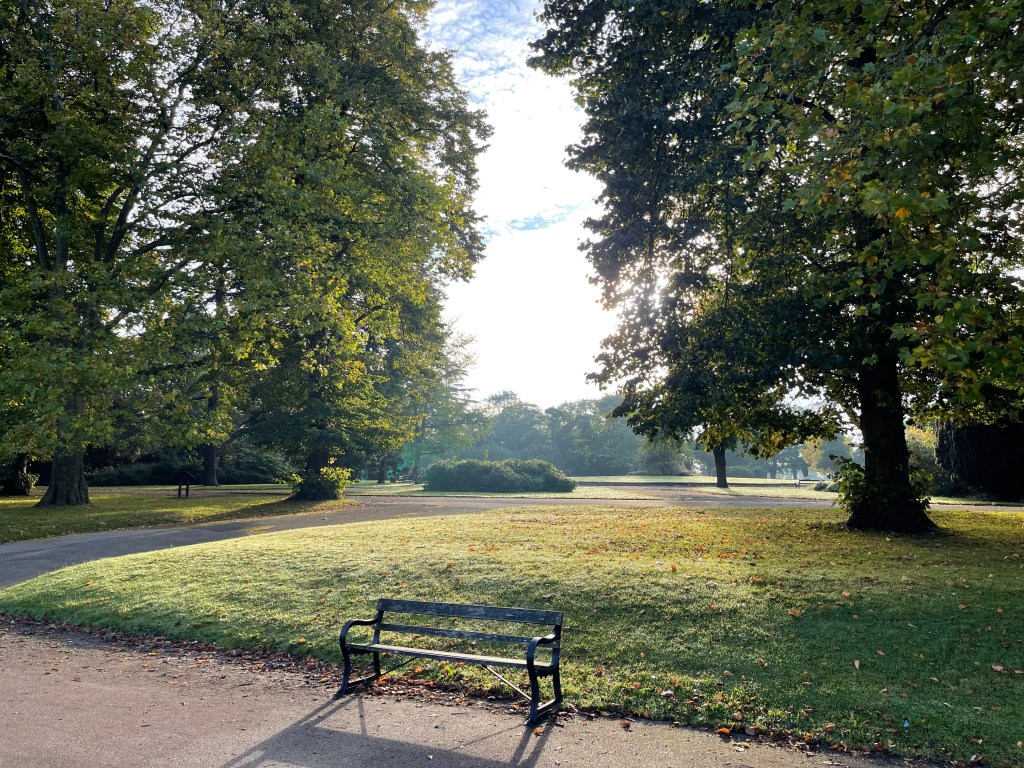
It’s great to unwind, walk in the park, and appreciate nature. Barking Park, London.
Our increasingly hectic lives can also make us feel like time is flying by. The day-to-day grind can make us lose sight of the bigger picture, and rushing through tasks can make our goals and dreams feel like distant fantasies.
So what can we do to slow down time and make the most of the moments we have? An approach that could work is to focus on mindfulness and being present at the moment. Through attentive observation of our surroundings and genuine interaction with others, we can create more profound and enduring memories.
To make time for what matters, we need to prioritise our goals. Spending time doing things we love can enhance our sense of purpose. The fact that time flies like the wind is a reminder of how valuable our time is on this planet. A life that feels satisfying and abundant can be achieved by embracing the present and making the most of every day, regardless of how swiftly time passes.
Have a fantastic weekend, everyone. Don’t forget to cherish those closest to you, love makes life worth living!
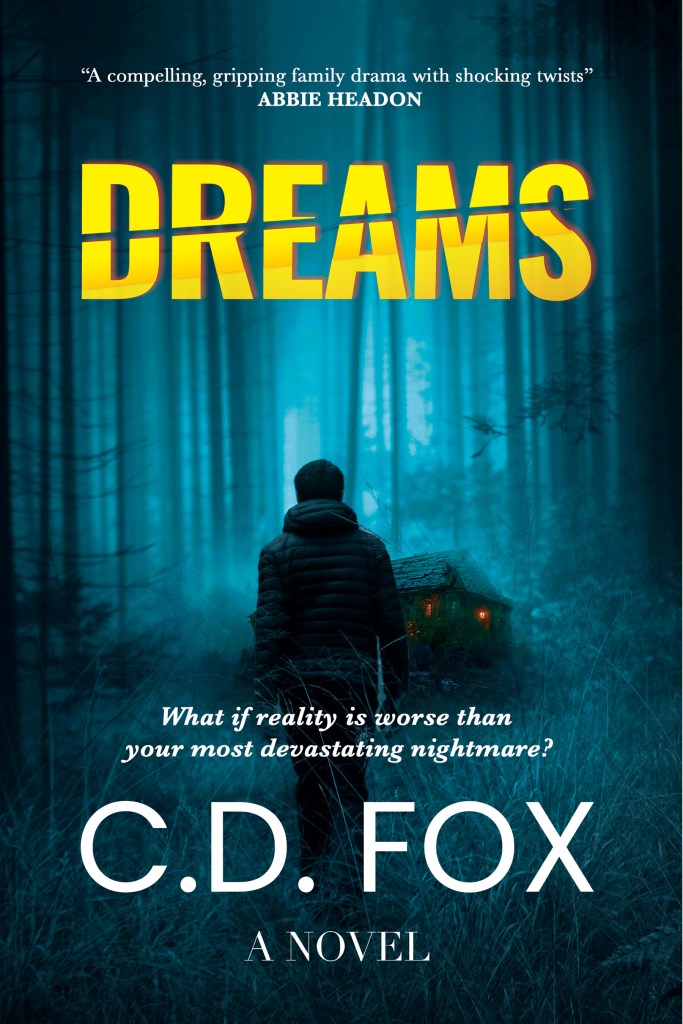
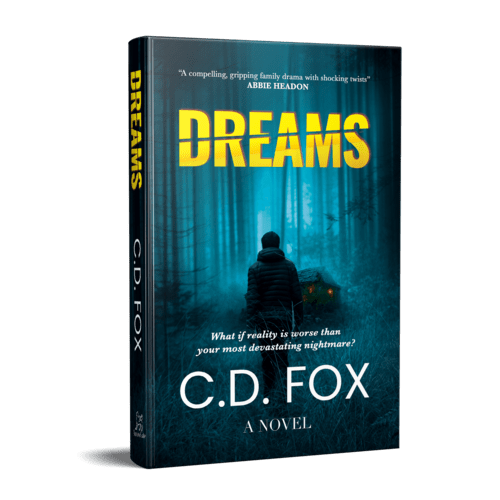
Unveiling the Mysterious Tale of Hugo Swann: Dreams That Haunt and Reality That Terrifies.
In this gripping mystery written by C.D. Fox, the author presents a haunting tale of suspense set against the backdrop of Oxford University. This gripping thriller plunges readers into the unsettling journey of Hugo Swann, the son of a renowned psychiatrist, a shy and introverted student struggling to find his place in an unfamiliar environment. Hugo’s life takes an unexpected turn when he finds love and delves into uncharted territories, only to be besieged by a relentless string of unsettling dreams that threaten his sanity.
Hugo grapples with his own inner demons while seeking solace in the arms of a new girlfriend, Alice and embracing new experiences. However, as his dreams intensify, Hugo’s path intersects with a mysterious woman, haunted by a troubled past, who seeks psychiatric treatment from his own father.
Little does Hugo know that this encounter will plunge him deeper into a nightmarish abyss. As the veil between dreams and reality becomes increasingly blurred, Hugo finds himself in desperate need of psychiatric assessment, unable to distinguish between the sinister occurrences plaguing his sleep and the waking world. In a race against time, Alice embarks on a heart-pounding quest to uncover the truth. But as she unravels the mysteries surrounding Hugo’s plight, she discovers a shocking truth. Will Hugo be willing to confront the terrifying reality that awaits him?
“Dreams” is a masterful blend of mystery, thriller, and suspense that will captivate readers from the first page to the last. C.D. Fox weaves a spellbinding narrative, delving deep into the darkest recesses of the human mind, leaving readers spellbound and questioning the limits of perception.
Prepare yourself for a mind-bending exploration of the human psyche, where dreams become nightmarish traps, and reality holds unimaginable horrors. With every twist and turn, the tension mounts, and the race to unveil the truth becomes an urgent and relentless pursuit.
I enjoyed editing this novel and readers are indeed in for a ride. The novel is available wherever books are sold.
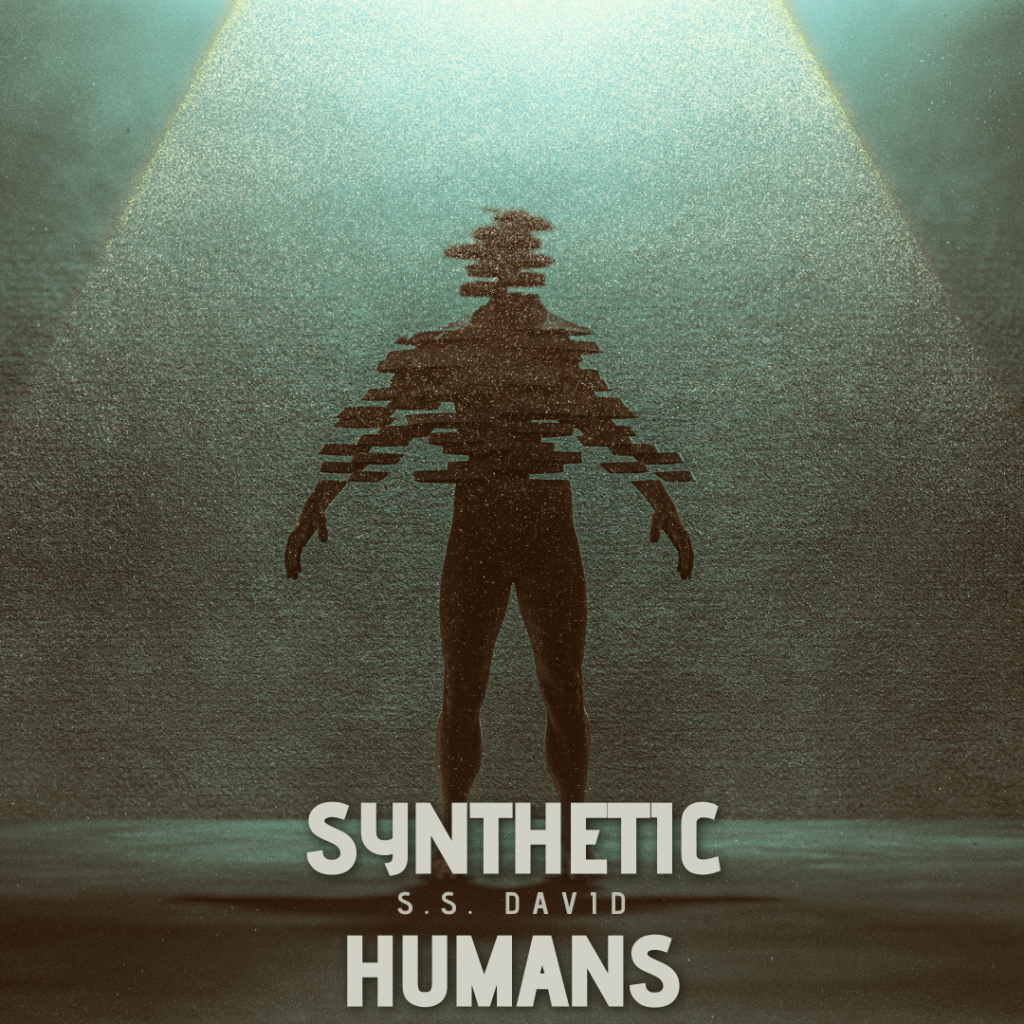
British and American scientists led by Prof Magdalena Zernica-Goertz from the University of Cambridge and the California Institute of Technology have created model embryos from mouse stem cells. This ‘breakthrough’ can potentially create synthetic human embryos using stem cells, bypassing sperm and eggs in embryonic formation. They’ve successfully engineered the stem cells to create structures similar to early human embryos, and these synthetic embryos mimic the natural developmental process, which reached the point where the entire brain began to develop, providing insights into early human life.
Similarly, in October 2019, researchers at Eindhoven University of Technology in the Netherlands were creating artificial womb for premature babies and received a grant of of £2.6m for a prototype model. They believed an artificial womb would be a ‘game changer.’ EctoLife, the brain-child of a molecular biologist, Hashem Al-Gahili, has gone further by alleging in December 2022 that the world’s first artificial womb facility, an archetypal of what could be if there were ethical freedom, was a result of over 50 years of ‘groundbreaking scientific research’ and will be able to ‘grow 30,000 babies a year’. You can watch it here:
The implications of these ‘breakthroughs’ are both promising and concerning. On one hand, many people believe that medical research can greatly benefit from synthetic embryos. They provide a controlled environment for studying embryogenesis, understanding genetic abnormalities, and developing targeted treatments. Additionally, they hold potential for addressing fertility challenges by offering alternatives to traditional gametes and potentially mitigating hereditary disorders. However, it’s crucial to approach these advancements cautiously and address the ethical considerations surrounding the status and rights of these artificial structures.
Future Prospects and Ethical Considerations:
As we stand at the crossroads of these scientific advancements, the future of reproduction hangs in the balance. While synthetic embryos and artificial womb facilities may promise immense medical advancements, personalised treatments, and opportunities for those struggling with fertility, we must approach this ‘breakthroughs’ responsibly. Ethical concerns surrounding the moral status and rights of synthetic embryos and the societal implications of gestation outside the human body cannot be ignored.
The world is already bulking under overpopulation, and allowing this research to continue is unethical, and that’s my own opinion, or am I wrong?


 S. S. David