Last Thursday, I went for a routine blood test, which has always been challenging due to my very small veins. I was directed from one department to another until finally reaching the blood collection area where many patients were waiting. Despite my upcoming elective procedure on Monday requiring these results, I still needed to wait my turn.
Jesus Shed His Blood For Us
When my time came, the phlebotomist struggled as expected. In a final attempt, she asked me to stretch out both hands, successfully drawing blood from each—though it was quite painful. This experience sparked a profound thought: the discomfort in my hands reminded me of Christ’s crucifixion, though my momentary pain was insignificant compared to His suffering.
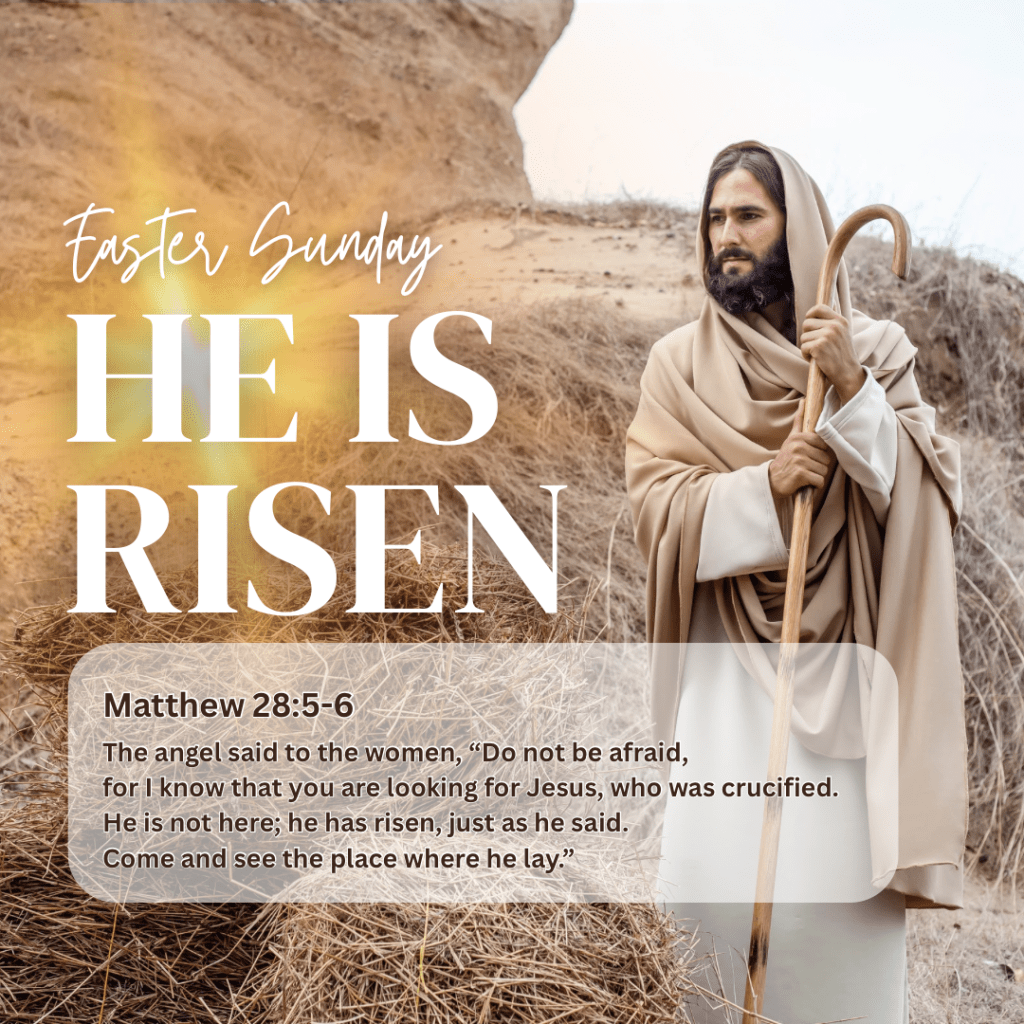
What makes this reflection especially meaningful is the Easter season we’re celebrating today! Jesus didn’t remain on that cross or in the tomb—He conquered death and rose again! As the Scripture beautifully declares, “He is not here; he has risen, just as he said,” (Matthew 28:6).
This resurrection isn’t just a historical event but offers hope to everyone. The promise that “because I live, you also will live” (John 14:19) transcends religious boundaries, inviting all to consider what new beginnings might be possible in their lives.
Whether you share my faith in Christ Jesus or not, Easter’s themes of renewal, hope, and perseverance through suffering speak to the universal human experience. Even from small moments of discomfort can come beautiful reflections on life’s deeper meaning.
May we all find moments of peace, renewal and joy during this season!
There’s a profound difference between the stories we write and the stories we live. As a writer, I’ve shelved countless manuscripts—unfinished works waiting for my return, my revisions, my second chances. The pages sit patiently, knowing I might someday breathe new life into their dormant potential.
Life offers no such luxury. We write our story in permanent ink, each moment committed irrevocably to the record. There are no drafts to revisit and no passages to rewrite. The narrative unfolds in real time, with no chance to polish our regrets into something more beautiful in retrospect.
Eleven years ago, my dear friend Ken reviewed my book “Cydonia: Rise of the Fallen.” I read through his review just a few minutes ago and felt that familiar writer’s urge to revise and improve. How fortunate that my written work allows for second editions! Yet this moment illuminated a stark contrast—while my book may see multiple iterations, my life will see just one.
Why, then, do we waste our precious days scrolling aimlessly, ensnared in digital echoes that contribute nothing to the significance of our story? Why spend hours on transient distractions when we could be creating memorable experiences?
For those who believe, as I do, in life after death, there comes a reckoning—not an editing session. Our completed manuscript will be read, not revised. This is not meant to inspire fear but urgency—an invitation to live deliberately, to make each word and day count.
Let us write lives worth reading—stories of impact, kindness, and purpose. Let us make our corners of the world better places, knowing we won’t get the chance to rewrite what we’ve lived, only to live what we’ll be proud to have written.
As always, I’m inundated with work, but I will endeavour to update my website as much as I can. Thank you for reading, my friends, wherever you are.
The price of peace cannot be measured in tangible terms. I was speaking to a family friend about the Hamas/Israeli ceasefire and wondered why we find it so challenging to coexist peacefully with our neighbours. My friend replied dryly, “We all have free will to kill and destroy, or…” a glint appeared in his brown eyes, “to love and live in peace.” His words kept echoing in my mind as I watched the news of the prisoner exchange between the Israelis and Hamas.
The ceasefire announcement between Hamas and Israel fills me with cautious optimism. I have watched this conflict unfold, and while I recognise one ceasefire does not resolve everything, I believe each step towards peace is immensely significant. It reminds me that there is always hope for dialogue and understanding, even in the darkest times.
I was praying with my family last night and was grateful that bombs were not dropping near our bedroom windows, nor were sirens blasting through the streets. Yet, as I type this, my heart aches as Russia continues to pummel Ukraine with rockets and drones. The resilience of the Ukrainian people amazes me, but I can’t help wondering how many more lives will be disrupted before this conflict ends.
When I turn my attention to Africa, especially Sudan, I feel overwhelmed by the scale of human suffering. The ongoing civil unrest there and conflicts in other parts of the world are concerning. We can’t ignore these crises because they might seem far from home.
I understand we cannot measure the price of peace in simplistic terms. While experts can calculate military costs and infrastructure damage, I see the true price in the faces of displaced families, in the stories of lost homes, and in the eyes of traumatised children.
As I write this, I cling to hope. We just need to flip through the pages of history to know that peace is achievable. Every ceasefire, every negotiation, and every small step towards understanding brings us closer to a more stable world. We each have a role to play in this journey towards peace, no matter how insignificant our individual contributions may seem. That I’m writing this article means something; we need to desire peace wherever we are in the world.
Have a great, fruitful week wherever you are in the world.
As we step into 2025, there’s a palpable sense of possibility in the air. Years of global challenges have led us to a critical juncture of hope and determination. Although there are still pockets of conflict everywhere, hope is closer than we think.
For 20 years, I’ve researched and written on human resilience; however, this year is unlike any other. Perhaps the collective exhaustion from the constant hustle culture is finally giving way to a more balanced approach to progress.
The key to making 2025 truly transformative lies in our ability to set meaningful goals while acknowledging our human need for rest. Experts agree that balancing work and rest is key to lasting success.
This year, I’m observing a shift in how we approach personal and professional development. Gone are the days when burnout was a badge of honour. Instead, industry leaders are adopting what I call the “rest revolution”—strategic pauses designed to boost success. I am doing the same: working hard but resting more.
As we craft our aspirations for 2025, let’s not forget our shared yearning for global peace. Our commitments to understanding and compassion matter more than ever in a world still grappling with conflicts.
2025 isn’t another year on the calendar. It’s our collective opportunity to rewrite the narrative of success – one that values progress and peace in equal measure. The fresh start we seek isn’t just about personal achievements; it’s about contributing to a world where rest is respected and peace is possible.
May 2025 be the year you realise your goals but make more friends and meaningful contributions to your corner of the world. Happy New Year!
In the dimly lit living room of our home, I watched my adult son experience the brutal reality of war through Edward Berger’s adaptation of “All Quiet on the Western Front.” As tears streamed down his face, I realised that nearly a century after Erich Maria Remarque penned his haunting novel, its message still pierces young hearts with devastating clarity.
The film, released in 2022, doesn’t merely depict war – it thrusts viewers into the mud-filled trenches of World War I, where hope dies as quickly as the young soldiers who enlisted with dreams of glory. Through the eyes of Paul Bäumer, a German teenager who enthusiastically volunteers for service, we witness the systematic destruction of youthful innocence.
What makes this adaptation particularly powerful is its unflinching portrayal of warfare’s futility. The scene that broke my son wasn’t one of spectacular explosions or dramatic deaths – it was the quiet moment when Paul, having just killed a French soldier in hand-to-hand combat, watches the life slowly leave his enemy’s eyes. In that instant, my son understood what textbooks could never convey: the profound human cost of war.
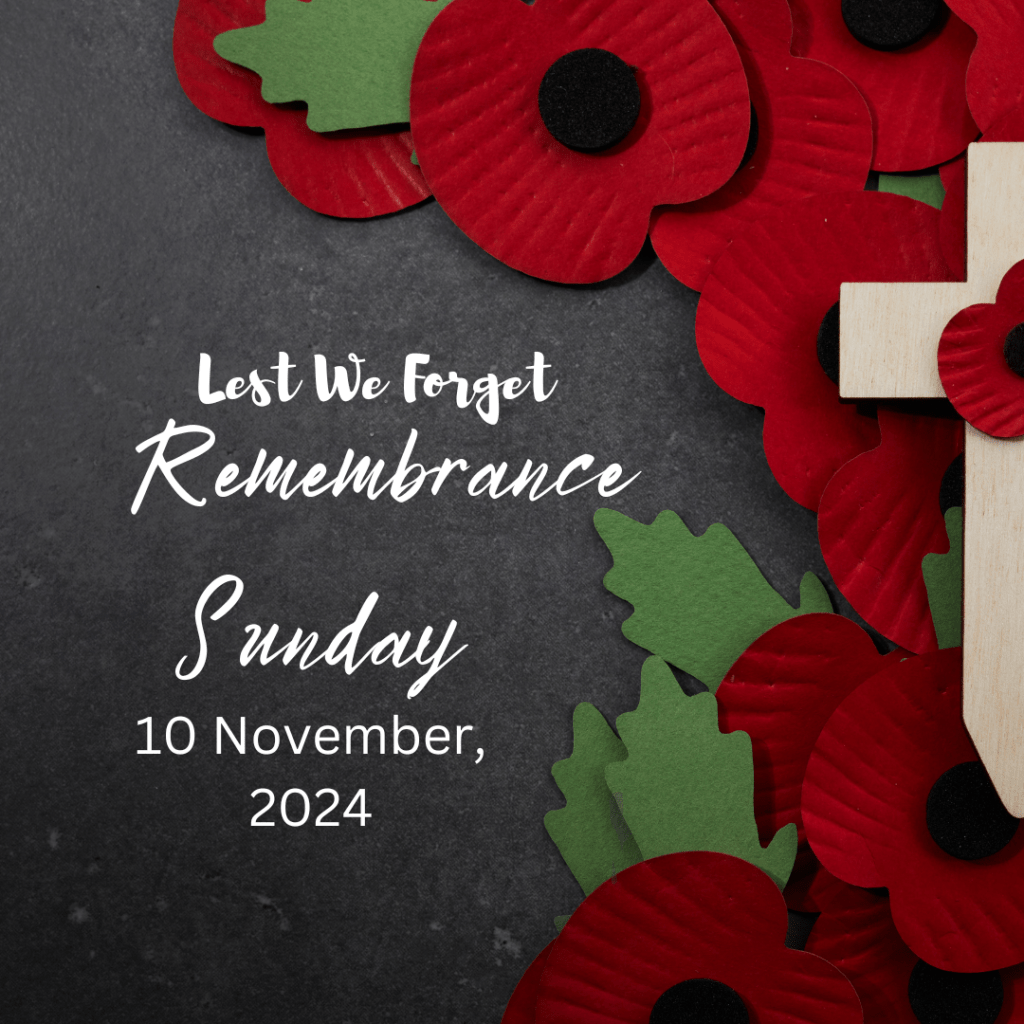
As we observe Remembrance Sunday this November 10, the film serves as more than entertainment or historical drama. It becomes a bridge connecting generations – helping today’s youth understand why we wear poppies, why we observe minutes of silence, and why we must never forget. My son’s tears weren’t just for Paul or the countless young men who died in World War I; they were tears of recognition, understanding that each name etched on war memorials represents a story as accurate and tragic as those depicted on screen.
“All Quiet on the Western Front” accomplishes what every war memorial aspires to do: it makes us remember the statistics of war and its human face. As my son wiped his eyes after the film, he whispered something that would stay with me forever: “Mum, they were younger than me. They were just kids.” My son rarely shows his emotions. This was one of the few times he allowed the torrents to flow. My husband and I hugged him as I reflected on the war plaguing our world, from Ukraine to Congo, From Sudan to Palestine, it’s never-ending, and we must do better.
Wars must stop!
This Remembrance Sunday, as we honour the fallen, let us remember that the best tribute we can pay to those who sacrificed everything is to ensure their stories continue to move new generations. Through films like this, their experiences live on, teaching invaluable lessons about the cost of war and the precious value of peace.
In remembering, we must do more than recite “Lest we forget” – we must help our children understand why we must never forget. Sometimes, it takes a son’s tears to remind us that the past isn’t as distant as we think.
As I scrutinise the global landscape, my heart grows heavy. The conflicts in Ukraine and the Middle East are just the tip of a blood-soaked iceberg. Russian forces continue their relentless assault on Ukrainian soil, while the cycle of violence between Israel, Iran and its proxies, Hamas and Hezbollah, seems never-ending. Amidst the chaos and destruction, one group thrives in the shadows – the arms dealers.
Across Africa, long-standing wars continue to ravage nations. The Sudanese Army and Rapid Support Forces are logged in never-ending warfare in Sudan. Despite efforts for peace, sporadic violence persists, and according to DW News, the 15-month war has left over 150,000 people dead. The Democratic Republic of Congo remains trapped in a cycle of conflict involving numerous armed groups, and according to Global Conflict Tracker, the war has led to six million deaths! In the Sahel region, countries like Mali, Burkina Faso, and Niger grapple with insurgencies and coups.
Turning to the Americas, the situation is equally grim. In Mexico, brutal drug cartels wage war against each other and the state, leaving a trail of devastation. Colombia, despite a peace deal with FARC rebels, still contends with dissident groups and other cartels. Venezuela’s ongoing crisis has regional implications, with violence spilling across borders.
In Myanmar, the military junta’s oppression has sparked armed resistance. The Afghan people face an uncertain future under Taliban rule, with pockets of resistance and the ever-present threat of extremist groups. In Yemen, a complex civil war has created one of the world’s worst humanitarian crises.
Behind each of these conflicts, the shadowy figures of arms dealers loom large. They profit from every bullet fired, every bomb dropped, and every life shattered. Their wares find their way into the hands of state armies, rebel groups, terrorist organisations, and criminal syndicates alike. The global arms trade knows no borders, no morality—only the cold logic of supply and demand.
As a pacifist witnessing this worldwide carnage, I’m driven to ask: How can we break this cycle? How can we forge a path to lasting, global peace? The pacifist in me yearns for a world where conflicts are resolved through dialogue and diplomacy, not through the barrel of a gun or the blast of a missile.
Is it naive to imagine a future where we invest in education, healthcare, and sustainable development instead of arms races? Can we envision a world where the billions spent on weapons are redirected to fighting poverty, disease, and climate change?
The cynic might say this is an impossible dream, but we must strive for it nonetheless. Every life lost in these conflicts is a tragedy, a potential extinguished forever. We owe it to ourselves and future generations to seek alternatives to violence. As long as some profit from war, peace will remain elusive. But if we can change our collective mindset and see humanity in our perceived enemies, we can begin to build a world where arms dealers have no place.
The path to peace is long and filled with challenges. But it begins with us questioning the status quo and daring to imagine a better way. In the face of ongoing conflicts, let us not lose hope. Let us work tirelessly for a future where the only arms we need are those we use to embrace one another.
If we can all imbibe the ideology of a pacifist, we’re moving towards a peaceful world.
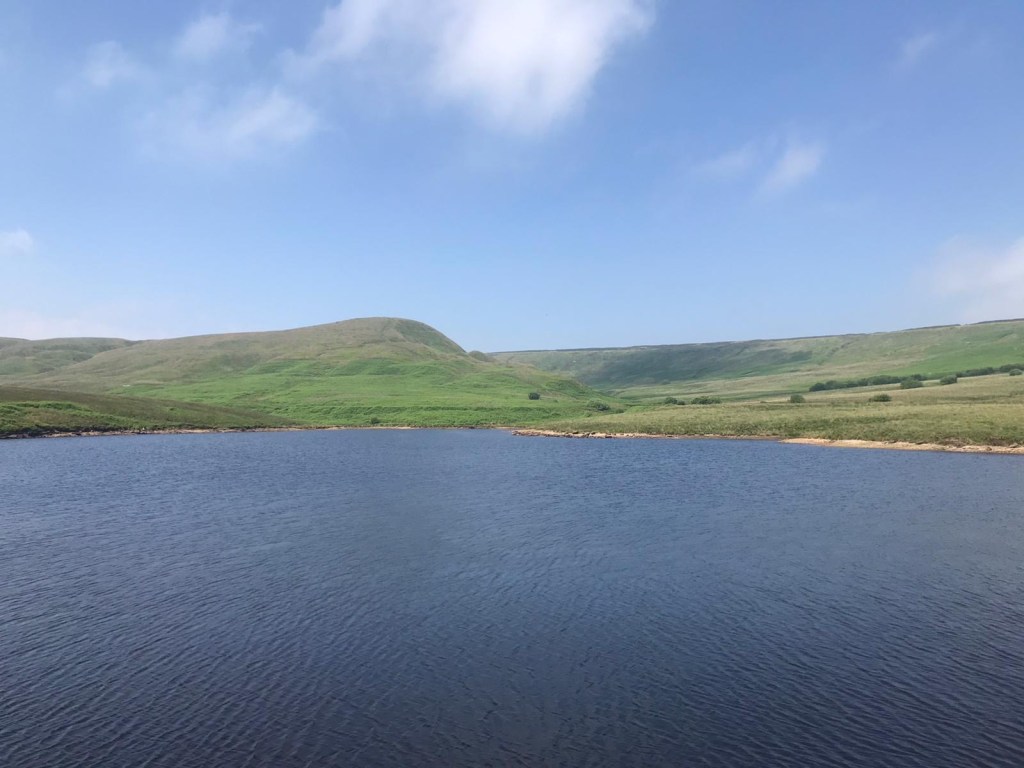
March Haigh Reservoir, Marsden Moor – Photo Credit: Kate Harney
The image above is so peaceful, and although I wished it was indicative of our political landscape in Europe, the reverse is the case. As we gear up to elect new leaders in the UK on Thursday and the US prepares for its November 5th, 2024, election, the ideals of peace and integrity seem increasingly elusive. Far from being serene and respectful, political campaigns often descend into bitter battles and mudslinging. I recently saw clips of the debate between Donald Trump and Joe Biden, and I bemoaned how politicians have sunk with no integrity whatsoever.
Peace, the cornerstone of stability and harmony, is ironically tested in politics. Instead of engaging in calm and rational debates, candidates often resort to fierce rhetoric and underhanded tactics. The goal is to win votes and tarnish opponents, disregarding the civility that should underpin public discourse.
Integrity, the foundation of trust and honesty, faces a daunting challenge in the political sphere. Accusations fly, scandals erupt, and misinformation spreads rapidly. Instead of embodying integrity, politicians frequently employ tactics that undermine public trust in the electoral process.
Both the UK election this Thursday and the upcoming American election serve as stark examples. Campaigns are riddled with controversies, personal attacks, and the manipulation of information. Ethical standards are often compromised in pursuing power as candidates prioritise victory over transparency and fairness.
Despite the chaos, I still believe in hope. As voters, we have access to information and platforms for discourse and demand accountability. Movements advocating for ethical standards in politics gain momentum, reminding leaders that integrity should not be sacrificed for ambition.
As we reflect on these dynamics, it’s crucial to remember that democracy’s essence lies in casting votes and upholding the values that sustain it. Peaceful transitions of power and principled leadership are not just ideals; they safeguard a society’s stability and progress, something our leaders seem to have forgotten.
In the days leading to these elections and beyond, we must challenge our leaders to rise above the fray. We must hold them accountable to the standards of integrity and civility we expect in our everyday lives. Only then can we ensure that politics serves its true purpose: to represent the will of the people and to strive for a future built on trust and harmony.
While politics may often seem at odds with peace and integrity, it is within our power to shape a political landscape that reflects our highest ideals. I am looking forward to a new leader in the UK on Friday, and I won’t only consider policies and personalities but also the values that define us as a society. I hope we can all do the same.
My postal vote is on its way; what about you? Are you voting? Answer in the comments below. 🙂
A few hours ago, I learnt the unfortunate news of Alexei Navalny’s death. He was a Russian anti-corruption activist and Vladimir Putin’s arch-enemy. For some unknown reasons, Alexei’s death was a kick in the gut. I’m not Russian, but I’ve been following his fight for democracy and his fearlessness as a critic of Putin. And this brings me to the topic of my article, ‘infinite abyss’. What’s the purpose of life? No matter how powerful a man is, like Putin, one day, he will die, and there’s nothing he can do about it. The President of Russia, Vladimir Putin, will not live forever. And what would have been the purpose of his life? Killing everyone who opposed him?
Blaise Pascal, a religious philosopher, mathematician, and Catholic writer discussed the emptiness mankind feels that human effort can’t satisfy in a collection of work called Pensées (“thoughts”) released posthumously. Pascal described a craving humans feel and it was a timely reminder of how futile life can be without God.
Pascal wrote: “What else does this craving, and this helplessness, proclaim but that there was once in man a true happiness, of which all that now remains is the empty print and trace? This he tries in vain to fill with everything around him … though none can help, since this infinite abyss can be filled only with an infinite and immutable object; by God himself.”
So no matter what we do, there’s always this yearning and emptiness we can’t fill. Conquering Ukraine and eliminating political opponents won’t fill the emptiness in Vladimir Putin’s life. He will never find true and lasting fulfilment in life without God.
It is crucial to contemplate the legacy we will leave and the positive influence we can have on others. Alexei Navalny fought for an incorruptible Russia and paid with his life. Generations yet unborn will laud his efforts. Whatever we do, it’s important to think about the legacy we’ll leave behind. To folks who believe in God as I do, the impact we’ll have in people’s lives is immeasurable. The fulfilment and joy we have for having God in our lives is priceless.
It’s already 3rd of January, this year has started its journey. Like the sound of train tracks approaching a station, we’re truly and well on our way, exploring the unknown.
The unknown stretches far into the horizons
I don’t make New Year’s resolutions, rather I live one day at a time, committing everything into the Hands of my creator, God Almighty, who gives me wisdom and strength. To anyone reading this who doesn’t believe in God, you can still make your days worthwhile by being a better ‘you’. ‘Every Little Helps’, says the Tesco slogan, and I agree. A little here, and a little there, we can make positive changes in our world.
I wish you love, peace, and blessings☺️
I wish all my friends around the world, a happy and prosperous year. Be kind to yourself and others.
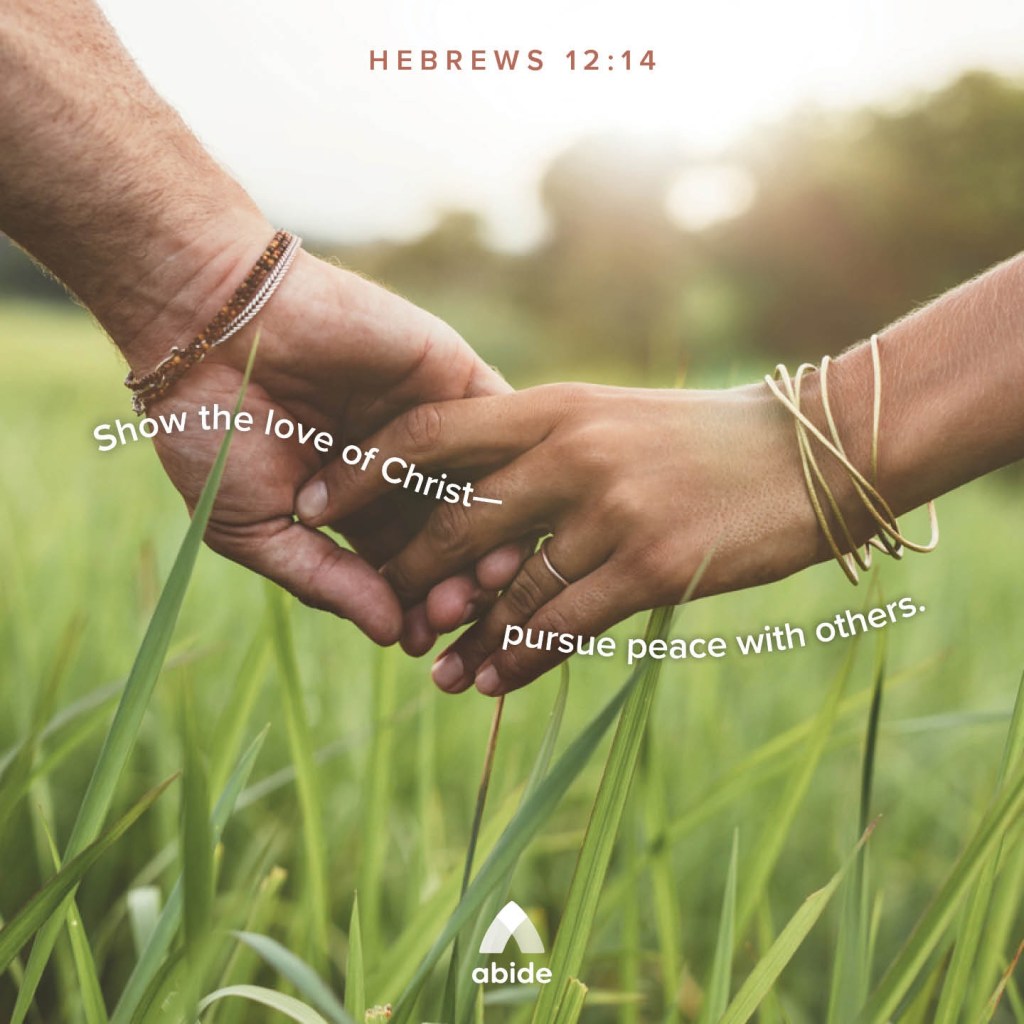
We live in a world often marred by conflict, disease, and negativity, finding peace can seem like an elusive dream. So, how do we find peace in such a cacophony of negative events? How do we keep ourselves grounded? I’ve decided to do five things:
Limit News Consumption: While staying informed is essential, constant exposure to negative news can be overwhelming. I have decided two set boundaries on my news consumption to prevent information overload.
Positive Meditation: I am a Christian, and I realise the more I read God’s Word, the calmer and peaceful I am. This world is full of negative things but the more we read, and pray and focus on positive things, the more we’ll have power over negative thoughts and influences. One of my favourite scripture quote is below:
Finally, brethren, whatever things are true, whatever things are noble, whatever things are just, whatever things are pure, whatever things are lovely, whatever things are of good report, if there is any virtue and if there is anything praiseworthy—meditate on these things.
Philippians 4:8
If I want to make myself sad, I’ll just dwell on the things that I think are not working in my life, or think of a past traumatic event. But when I realise I don’t have control over certain things, but I have control on my reactions. So, I do what I do best: pray and trust God to do what only He can do.
Be Kind: Kindness doesn’t take anything from us, rather, it makes us better people. I treat people the way I want to be treated, with kindness and empathy, and by doing that, I realise I am peaceful and can navigate through this cruel, complex world. I love the quote below:
“Do your little bit of good where you are; it’s those little bits of good put together that overwhelm the world.”
Archbishop Desmond Tutu
Help Others: Volunteering or helping those in need can be immensely fulfilling. Acts of kindness not only benefit others but also bring a sense of purpose and inner peace. When I help people, I forget about my problems and in a strange way, God always resolves them when I least expected.
Focus on Self-Care: I prioritise self-care activities such as regular exercise, a balanced diet, and adequate sleep. Taking care of my physical and mental health is crucial for maintaining peace. Taking care of ourselves is crucial, a sick person can’t take care of others. So practise self-love.
There are several ways we can find peace in this chaotic, tumultuous world of ours, but practising the above has helped me, even when faced with circumstances beyond my control.
I wrote this article on Friday, and woke up on Saturday to news of Hamas attacking Israel. I pray for peace in our world.
Take care of yourselves wherever you are in the world.









 S. S. David