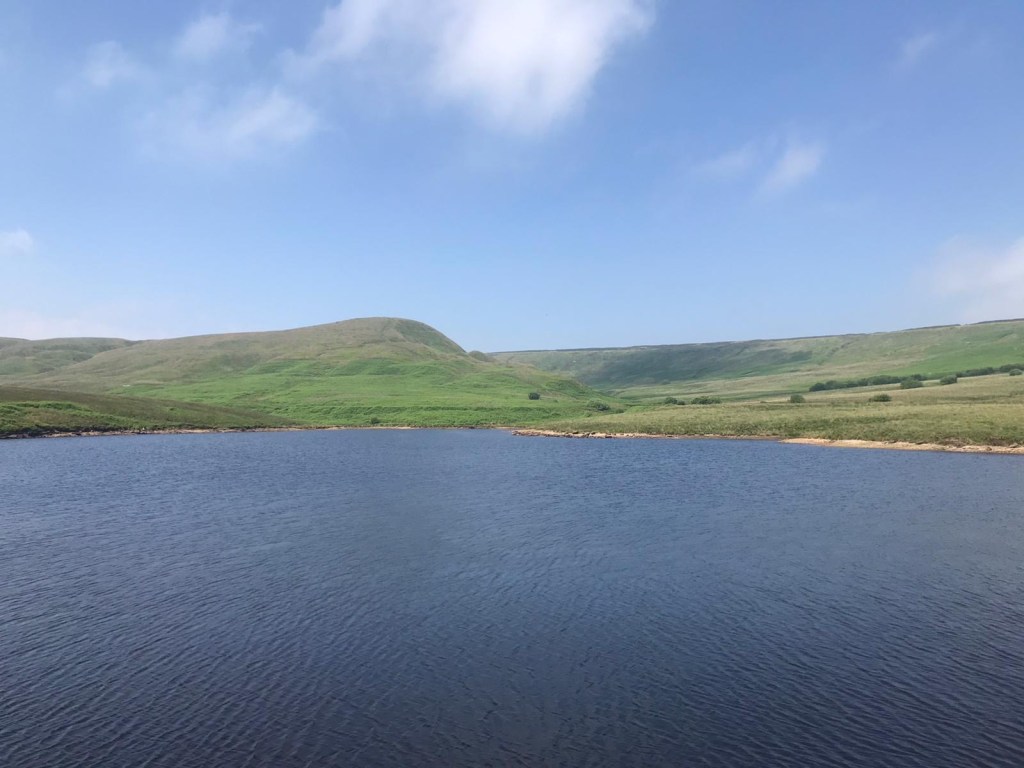
The image above is so peaceful, and although I wished it was indicative of our political landscape in Europe, the reverse is the case. As we gear up to elect new leaders in the UK on Thursday and the US prepares for its November 5th, 2024, election, the ideals of peace and integrity seem increasingly elusive. Far from being serene and respectful, political campaigns often descend into bitter battles and mudslinging. I recently saw clips of the debate between Donald Trump and Joe Biden, and I bemoaned how politicians have sunk with no integrity whatsoever.
Peace, the cornerstone of stability and harmony, is ironically tested in politics. Instead of engaging in calm and rational debates, candidates often resort to fierce rhetoric and underhanded tactics. The goal is to win votes and tarnish opponents, disregarding the civility that should underpin public discourse.
Integrity, the foundation of trust and honesty, faces a daunting challenge in the political sphere. Accusations fly, scandals erupt, and misinformation spreads rapidly. Instead of embodying integrity, politicians frequently employ tactics that undermine public trust in the electoral process.
Both the UK election this Thursday and the upcoming American election serve as stark examples. Campaigns are riddled with controversies, personal attacks, and the manipulation of information. Ethical standards are often compromised in pursuing power as candidates prioritise victory over transparency and fairness.
Despite the chaos, I still believe in hope. As voters, we have access to information and platforms for discourse and demand accountability. Movements advocating for ethical standards in politics gain momentum, reminding leaders that integrity should not be sacrificed for ambition.
As we reflect on these dynamics, it’s crucial to remember that democracy’s essence lies in casting votes and upholding the values that sustain it. Peaceful transitions of power and principled leadership are not just ideals; they safeguard a society’s stability and progress, something our leaders seem to have forgotten.
In the days leading to these elections and beyond, we must challenge our leaders to rise above the fray. We must hold them accountable to the standards of integrity and civility we expect in our everyday lives. Only then can we ensure that politics serves its true purpose: to represent the will of the people and to strive for a future built on trust and harmony.
While politics may often seem at odds with peace and integrity, it is within our power to shape a political landscape that reflects our highest ideals. I am looking forward to a new leader in the UK on Friday, and I won’t only consider policies and personalities but also the values that define us as a society. I hope we can all do the same.
My postal vote is on its way; what about you? Are you voting? Answer in the comments below. 🙂
Much love, Always. 🙂

 S. S. David