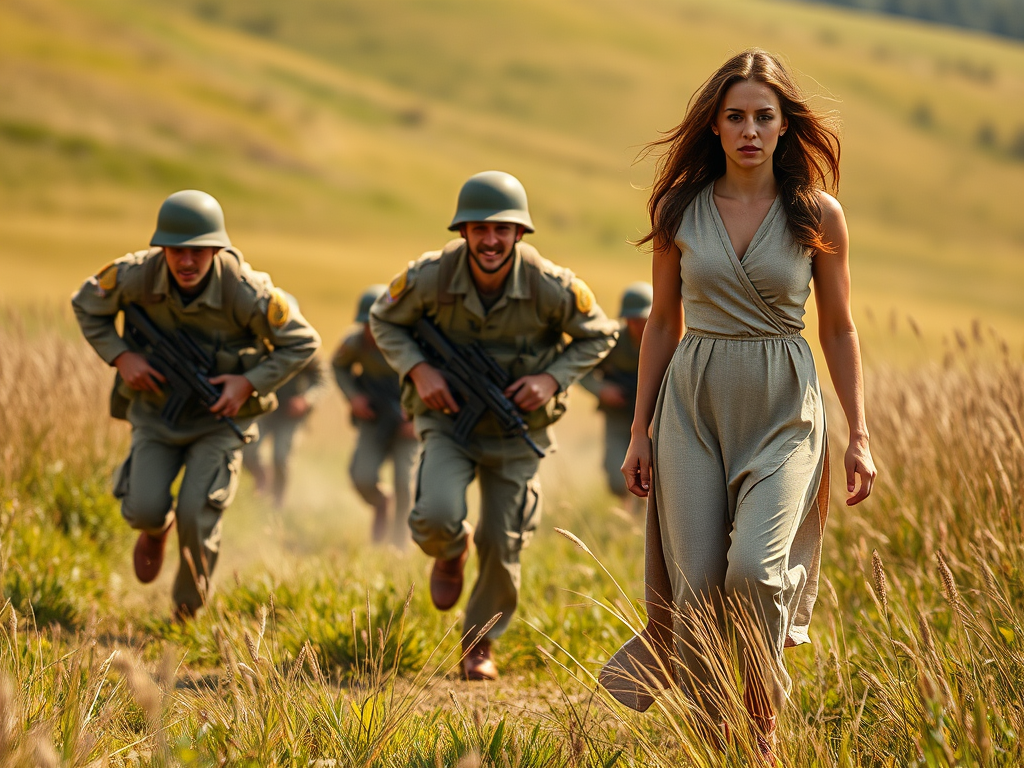
In the dimly lit living room of our home, I watched my adult son experience the brutal reality of war through Edward Berger’s adaptation of “All Quiet on the Western Front.” As tears streamed down his face, I realised that nearly a century after Erich Maria Remarque penned his haunting novel, its message still pierces young hearts with devastating clarity.
The film, released in 2022, doesn’t merely depict war – it thrusts viewers into the mud-filled trenches of World War I, where hope dies as quickly as the young soldiers who enlisted with dreams of glory. Through the eyes of Paul Bäumer, a German teenager who enthusiastically volunteers for service, we witness the systematic destruction of youthful innocence.
What makes this adaptation particularly powerful is its unflinching portrayal of warfare’s futility. The scene that broke my son wasn’t one of spectacular explosions or dramatic deaths – it was the quiet moment when Paul, having just killed a French soldier in hand-to-hand combat, watches the life slowly leave his enemy’s eyes. In that instant, my son understood what textbooks could never convey: the profound human cost of war.
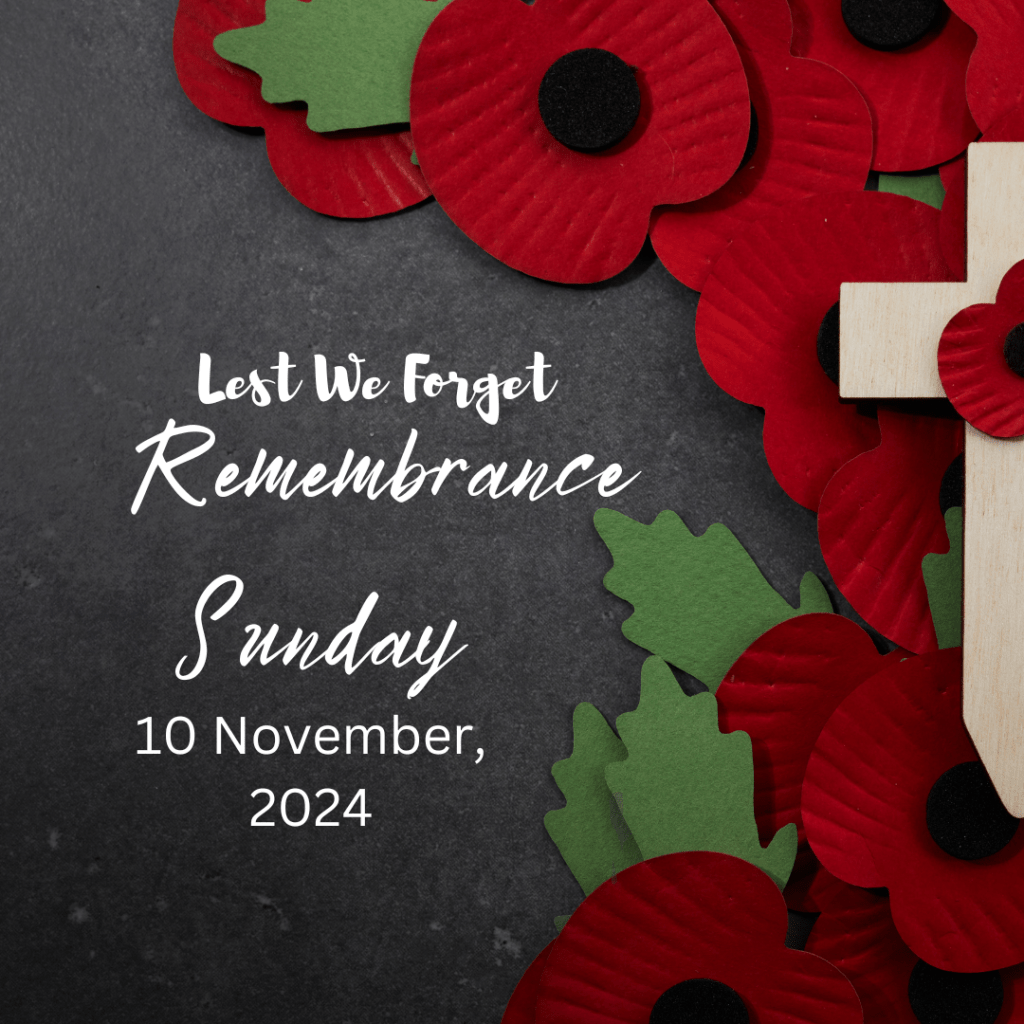
As we observe Remembrance Sunday this November 10, the film serves as more than entertainment or historical drama. It becomes a bridge connecting generations – helping today’s youth understand why we wear poppies, why we observe minutes of silence, and why we must never forget. My son’s tears weren’t just for Paul or the countless young men who died in World War I; they were tears of recognition, understanding that each name etched on war memorials represents a story as accurate and tragic as those depicted on screen.
“All Quiet on the Western Front” accomplishes what every war memorial aspires to do: it makes us remember the statistics of war and its human face. As my son wiped his eyes after the film, he whispered something that would stay with me forever: “Mum, they were younger than me. They were just kids.” My son rarely shows his emotions. This was one of the few times he allowed the torrents to flow. My husband and I hugged him as I reflected on the war plaguing our world, from Ukraine to Congo, From Sudan to Palestine, it’s never-ending, and we must do better.
Wars must stop!
This Remembrance Sunday, as we honour the fallen, let us remember that the best tribute we can pay to those who sacrificed everything is to ensure their stories continue to move new generations. Through films like this, their experiences live on, teaching invaluable lessons about the cost of war and the precious value of peace.
In remembering, we must do more than recite “Lest we forget” – we must help our children understand why we must never forget. Sometimes, it takes a son’s tears to remind us that the past isn’t as distant as we think.

 S. S. David