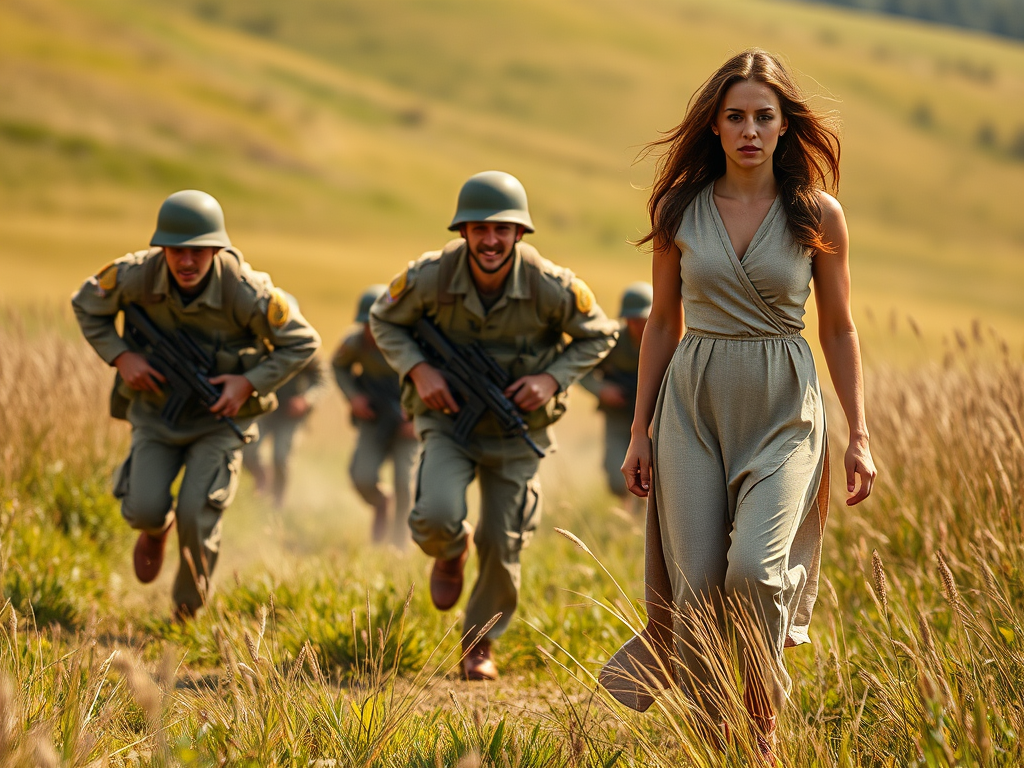
A Cry For the Past: Remembering the Fallen

In the dimly lit living room of our home, I watched my adult son experience the brutal reality of war through Edward Berger’s adaptation of “All Quiet on the Western Front.” As tears streamed down his face, I realised that nearly a century after Erich Maria Remarque penned his haunting novel, its message still pierces young hearts with devastating clarity.

The film, released in 2022, doesn’t merely depict war – it thrusts viewers into the mud-filled trenches of World War I, where hope dies as quickly as the young soldiers who enlisted with dreams of glory. Through the eyes of Paul Bäumer, a German teenager who enthusiastically volunteers for service, we witness the systematic destruction of youthful innocence.

What makes this adaptation particularly powerful is its unflinching portrayal of warfare’s futility. The scene that broke my son wasn’t one of spectacular explosions or dramatic deaths – it was the quiet moment when Paul, having just killed a French soldier in hand-to-hand combat, watches the life slowly leave his enemy’s eyes. In that instant, my son understood what textbooks could never convey: the profound human cost of war.
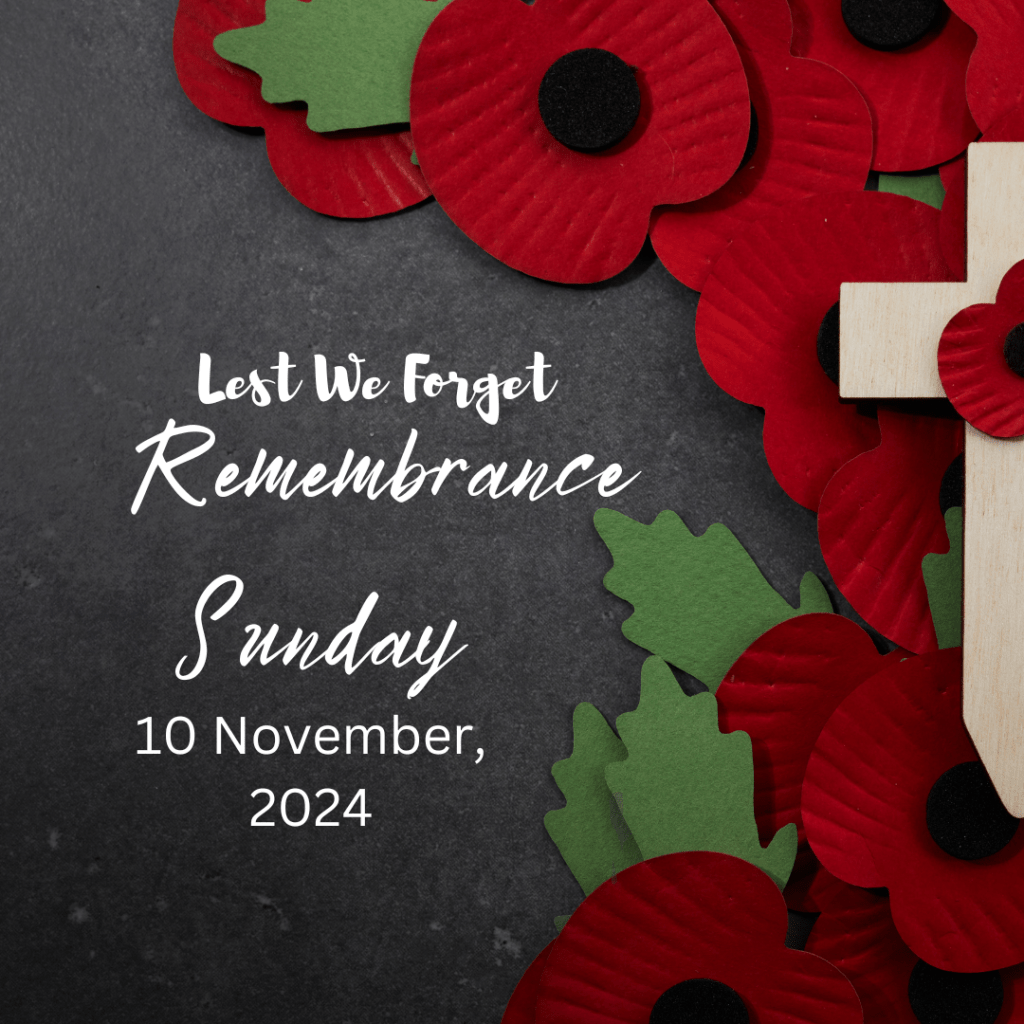
As we observe Remembrance Sunday this November 10, the film serves as more than entertainment or historical drama. It becomes a bridge connecting generations – helping today’s youth understand why we wear poppies, why we observe minutes of silence, and why we must never forget. My son’s tears weren’t just for Paul or the countless young men who died in World War I; they were tears of recognition, understanding that each name etched on war memorials represents a story as accurate and tragic as those depicted on screen.

“All Quiet on the Western Front” accomplishes what every war memorial aspires to do: it makes us remember the statistics of war and its human face. As my son wiped his eyes after the film, he whispered something that would stay with me forever: “Mum, they were younger than me. They were just kids.” My son rarely shows his emotions. This was one of the few times he allowed the torrents to flow. My husband and I hugged him as I reflected on the war plaguing our world, from Ukraine to Congo, From Sudan to Palestine, it’s never-ending, and we must do better.

Wars must stop!

This Remembrance Sunday, as we honour the fallen, let us remember that the best tribute we can pay to those who sacrificed everything is to ensure their stories continue to move new generations. Through films like this, their experiences live on, teaching invaluable lessons about the cost of war and the precious value of peace.

In remembering, we must do more than recite “Lest we forget” – we must help our children understand why we must never forget. Sometimes, it takes a son’s tears to remind us that the past isn’t as distant as we think.

The Arms Dealer’s War: A Pacifist Perspective

As I scrutinise the global landscape, my heart grows heavy. The conflicts in Ukraine and the Middle East are just the tip of a blood-soaked iceberg. Russian forces continue their relentless assault on Ukrainian soil, while the cycle of violence between Israel, Iran and its proxies, Hamas and Hezbollah, seems never-ending. Amidst the chaos and destruction, one group thrives in the shadows – the arms dealers.

Across Africa, long-standing wars continue to ravage nations. The Sudanese Army and Rapid Support Forces are logged in never-ending warfare in Sudan. Despite efforts for peace, sporadic violence persists, and according to DW News, the 15-month war has left over 150,000 people dead. The Democratic Republic of Congo remains trapped in a cycle of conflict involving numerous armed groups, and according to Global Conflict Tracker, the war has led to six million deaths! In the Sahel region, countries like Mali, Burkina Faso, and Niger grapple with insurgencies and coups.

Turning to the Americas, the situation is equally grim. In Mexico, brutal drug cartels wage war against each other and the state, leaving a trail of devastation. Colombia, despite a peace deal with FARC rebels, still contends with dissident groups and other cartels. Venezuela’s ongoing crisis has regional implications, with violence spilling across borders.

In Myanmar, the military junta’s oppression has sparked armed resistance. The Afghan people face an uncertain future under Taliban rule, with pockets of resistance and the ever-present threat of extremist groups. In Yemen, a complex civil war has created one of the world’s worst humanitarian crises.

Behind each of these conflicts, the shadowy figures of arms dealers loom large. They profit from every bullet fired, every bomb dropped, and every life shattered. Their wares find their way into the hands of state armies, rebel groups, terrorist organisations, and criminal syndicates alike. The global arms trade knows no borders, no morality—only the cold logic of supply and demand.

As a pacifist witnessing this worldwide carnage, I’m driven to ask: How can we break this cycle? How can we forge a path to lasting, global peace? The pacifist in me yearns for a world where conflicts are resolved through dialogue and diplomacy, not through the barrel of a gun or the blast of a missile.

Is it naive to imagine a future where we invest in education, healthcare, and sustainable development instead of arms races? Can we envision a world where the billions spent on weapons are redirected to fighting poverty, disease, and climate change?

The cynic might say this is an impossible dream, but we must strive for it nonetheless. Every life lost in these conflicts is a tragedy, a potential extinguished forever. We owe it to ourselves and future generations to seek alternatives to violence. As long as some profit from war, peace will remain elusive. But if we can change our collective mindset and see humanity in our perceived enemies, we can begin to build a world where arms dealers have no place.

The path to peace is long and filled with challenges. But it begins with us questioning the status quo and daring to imagine a better way. In the face of ongoing conflicts, let us not lose hope. Let us work tirelessly for a future where the only arms we need are those we use to embrace one another.

If we can all imbibe the ideology of a pacifist, we’re moving towards a peaceful world.